

Minimally invasive surgery is often associated with smaller incisions.
While that’s certainly one part of it, the bigger idea is to disturb as little healthy tissue as possible during the operation. That simple change has influenced the way many procedures are performed today and, for many patients, it also changes what recovery feels like afterwards.
Years ago, people often thought of surgery as something that meant a long hospital stay and weeks of taking things easy. That isn’t always the case anymore. Many procedures that once required larger incisions can now be performed through much smaller ones whenever they’re suitable for the patient’s condition.
Recovery Doesn’t Begin After Surgery
Most people think recovery starts once the operation is over. In reality, it begins much earlier.
The planning before surgery, the technique used during the procedure, and the amount of healthy tissue left undisturbed can all influence how someone feels afterwards. That’s one of the reasons minimal invasive surgery advantages are often discussed in terms of recovery rather than the operation alone.
Smaller Incisions Are Only Part of the Story
A smaller scar is often the first thing people notice, but it isn’t the biggest difference.
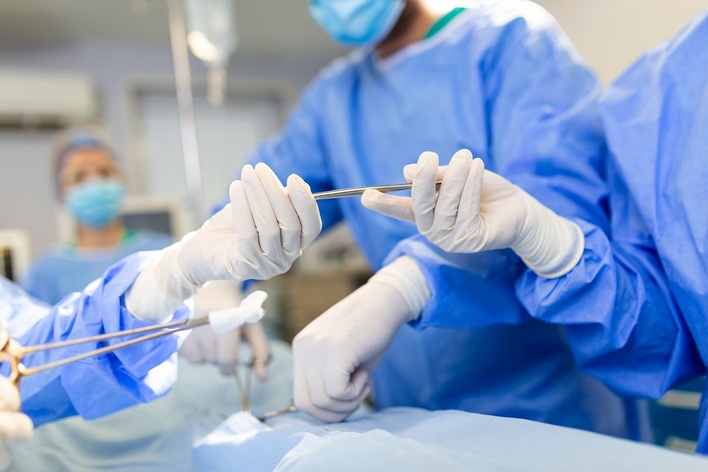
Instead of making one large incision, the surgeon works through smaller openings using specialised instruments and a camera whenever that approach is appropriate. The goal is still to treat the condition effectively while reducing unnecessary disruption to the body.
For many patients, that’s where the minimal invasive surgery advantages become easier to appreciate.
Technology Supports the Surgeon
Modern operating theatres use tiny cameras, specialised instruments, and high-definition imaging to help surgeons see the area more clearly during surgery.
The technology doesn’t replace the surgeon. It gives the surgeon a clearer view and another way to work with accuracy during the operation.
Everyday Life Often Returns a Little Sooner
When people ask about surgery, they’re usually thinking beyond the operation itself. They’re wondering when they’ll be able to return to work, spend time with family, or get back to their usual routine.
No two recoveries are exactly alike, but one of the recognised minimal invasive surgery advantages is that many patients are able to return to everyday activities sooner than they expected.
Different Specialties, Similar Principles
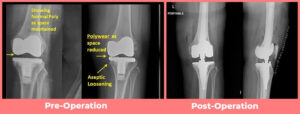
Minimally invasive techniques are now used across several specialties, including procedures involving the gall bladder, gastrointestinal system, heart, and minimally invasive surgery knee replacement in carefully selected patients.
Although every operation is different, the aim remains the same: treat the condition while keeping unnecessary disruption to surrounding tissues to a minimum whenever possible.
Recovery Looks Different for Everyone
One question comes up in almost every consultation. “How long will it take before I feel normal again?”
When people ask about minimal invasive surgery recovery time, there’s no single timeline that suits everyone. The type of operation often has the biggest influence on how recovery unfolds.
Most people remember the little milestones more than anything else. Getting out of bed more comfortably, walking around the house with greater ease, or realising they’re thinking less about the operation each day.
One Technique Doesn’t Suit Every Patient
Minimally invasive surgery has changed many procedures, but it isn’t automatically the right choice for everyone.
The surgeon first looks at the condition, the patient’s overall health, and whether this approach is the safest and most suitable option. That’s why the discussion before surgery is just as important as the operation itself.
Choosing Where to Have Surgery
When people compare hospitals, they’re usually thinking about more than the operation. They’re looking for experienced surgeons, modern operating theatres, good nursing support, and follow-up care if it’s needed.
That’s one reason many families spend time looking for the best hospital for minimal invasive surgery in Delhi. Some also compare a best medicine hospital in Delhi NCR, especially when they prefer having different specialties available under one roof.
People asking about minimally invasive knee surgery recovery time often find that recovery depends on the procedure itself rather than following one fixed timeline.
A Final Thought
The biggest change brought by minimally invasive surgery isn’t simply that the incisions are smaller.
For many people, it’s that getting back to everyday life often feels a little easier. Treating the condition is only one part of it. Getting people back to the things they enjoy doing is just as important.
At Sant Parmanand Hospital Civil Lines, every consultation starts with understanding what’s brought someone to us. For many people, the real difference becomes most noticeable in the everyday moments that slowly begin to feel normal again.
FAQs
What are the risks of minimal invasive surgery?
Like any operation, it has some risks. Your surgeon will explain the ones that are relevant to your procedure before making any decisions.
Does minimal invasive surgery require general anesthesia?
For many procedures, yes. The type of anaesthesia depends on the operation being planned and your overall health.
How long does a minimal invasive surgery procedure take?
Some procedures are quite short, while others take longer. It really comes down to what needs to be treated.
How soon can I eat after minimal invasive surgery?
That depends on the type of surgery you’ve had. Your medical team will let you know when it’s safe to start eating again.
How long is the hospital stay after minimal invasive surgery?
Many people go home sooner than they expect, although the length of stay depends on the procedure and how they’re recovering.