


The size of an incision doesn’t always tell the whole story.
Some of the most demanding operations aren’t defined by how much of the skin is opened, but by what the surgeon needs to do inside. As laparoscopic techniques have advanced, many complex procedures can now be performed through much smaller incisions in carefully selected patients.
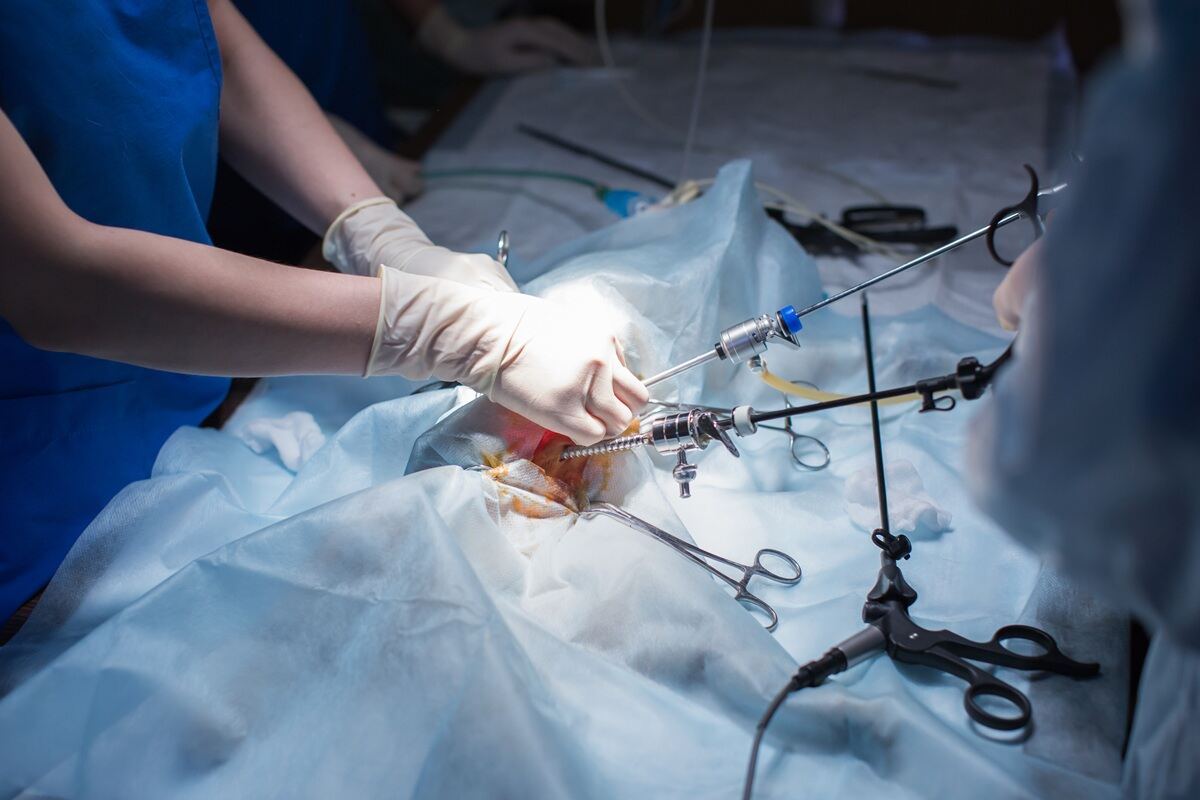
For many people, the idea of “keyhole surgery” still brings to mind relatively simple procedures. But laparoscopic surgery has come a long way over the years. Today, advanced laparoscopic surgeons perform a much wider range of operations than most people realise, using techniques that continue to evolve alongside surgical training and technology.
Looking Beyond the Size of the Incision
A smaller incision doesn’t automatically mean a simpler operation.
Think about surgery on the stomach or colon. Even though the cuts on the skin may be small, there’s still a lot happening inside. The surgeon has to work carefully throughout the procedure because every step matters.
That’s one of the reasons surgeons don’t decide on the approach based only on what would leave the smallest scar. They first look at the condition itself, the patient’s overall health, and whether a minimally invasive procedure is the safest and most suitable option.
The Work Begins Before the Operation
Most people think of surgery as something that starts when they enter the operating theatre.
In reality, a lot has already happened before that moment arrives.
Scans have been reviewed, investigations completed, and discussions held about the best way to treat the condition. Sometimes laparoscopic surgery is the right choice. At other times, another approach may offer a safer outcome. Those decisions are never made casually.
This planning stage is often what gives experienced advanced laparoscopic surgeons the confidence to deal with more complicated procedures. The operation itself is important, but good judgement before surgery matters just as much.
Better Equipment Has Changed What’s Possible
Anyone who has seen an operating theatre today would probably notice how different it looks from one a couple of decades ago.
Modern laparoscopic surgery makes use of high-definition imaging systems that allow surgeons to see the surgical field in remarkable detail. Alongside that, specialised equipment such as vessel sealing systems helps support precise surgical techniques during many procedures.
Technology has certainly expanded what’s possible, but it hasn’t replaced experience. The equipment can provide a clearer view, yet every decision inside the operating theatre still depends on the knowledge and judgement of the surgeon using it.
One Department, Many Different Procedures
People are sometimes surprised to learn how many conditions are managed within a general surgery department.
Routine procedures certainly form part of the workload, but so do operations involving hernias, gall bladder disease, gastrointestinal conditions, colorectal surgery, and several forms of cancer surgery. Depending on the patient’s needs, the same department may also work closely with specialists in gynecology, gastroenterology, and urology.
Some minimally invasive urological procedures, including nephrectomy, pyeloplasty, PCNL, and TURP, are also commonly performed. Looking after such a wide range of conditions means advanced laparoscopic surgeons build experience across many different types of surgery instead of focusing on just one area.
Complex Care Often Involves More Than One Team
Not every patient fits neatly into a single specialty.
Depending on the condition, other specialists may also become involved along the way. It could be the anaesthesia team, intensive care doctors, nurses, or specialists from areas such as neurosurgery, plastic surgery, paediatrics, or maxillofacial surgery. Most patients never see all of that happening, but it’s often how complex care comes together behind the scenes.Most patients never really notice all of this happening, but it helps everything come together when different teams are involved.
Every Procedure Doesn’t Take the Same Amount of Time
It’s natural to wonder how long an operation will last. In fact, one of the first things people ask about is the time for laparoscopic surgery.
There isn’t a standard answer because the procedure itself makes all the difference. Removing a gall bladder is very different from operating on the colon or treating a complex gastrointestinal condition. Rather than giving everyone the same estimate, surgeons usually explain what to expect after they’ve understood the condition and planned the operation.
Recovery Is About More Than Healing an Incision
One of the reasons laparoscopic surgery has become so widely used is that the incision is only one part of recovery.
Patients also benefit from careful monitoring after the operation, along with nursing care, anaesthesia support, and follow-up from the surgical team. These are the parts people don’t always think about beforehand, yet they play an important role in helping recovery move in the right direction.
The operation may be over in a few hours, but good care continues well after the patient leaves the operating theatre.
Experience Still Shapes Every Decision
Modern equipment has undoubtedly changed surgery, but technology doesn’t replace judgement.
Sometimes a laparoscopic procedure is clearly the right choice. In other situations, the surgeon may decide another approach is safer. Making that decision comes from years of experience rather than the equipment alone.
That’s why many families spend time looking for the best laparoscopic surgeons in Delhi instead of focusing only on the procedure itself. Confidence often comes from knowing that decisions are being made around the patient’s needs rather than following the same approach every time.
Looking at the Bigger Picture
Surgery rarely happens in isolation.
By the time someone reaches surgery, they’ve usually already been through consultations, tests, and plenty of questions. The operation is only one step. What happens before it, and the care that follows afterwards, are just as much a part of the experience.
For many patients, those things become just as important for laparoscopic surgery as the operation itself.
A Final Thought
The idea of “complex surgery” has changed over the years. Today, many conditions that once required larger incisions can often be managed through minimally invasive techniques when they’re suitable for the patient. Even so, the operation is only one part of the story. What happens before it and during recovery often matters just as much to patients.
At Sant Parmanand Hospital, surgery is never handled by just one person. Along with our advanced laparoscopic surgeons, patients are cared for by anaesthesia specialists, nurses, and other teams who stay involved before, during, and after the procedure. If you’re looking for a top multi speciality hospital in Delhi NCR, having everything in one place often means there are fewer things to worry about.
FAQs
What is laparoscopic surgery?
It’s often called “keyhole surgery” because it’s done through small incisions rather than one large cut. A small camera helps guide the surgeon throughout the operation.
How is laparoscopic surgery performed?
Instead of opening up a larger area, the surgeon works through a few small incisions using a camera and specially designed instruments. That approach is suitable for many procedures, though not every one.
Which doctor does laparoscopic surgery?
You’ll usually see a surgeon who has training in laparoscopic techniques. The exact specialty depends on why the surgery is needed, whether it’s for a general surgical condition, a urological problem, or something else.
How long does laparoscopic surgery take?
It isn’t the same for every operation. Once your surgeon knows exactly what needs to be done, they can usually give you a better idea of the expected duration.
How long does complex laparoscopic surgery take?
Some operations are over sooner than others. The expected duration becomes much easier to estimate once your surgeon has reviewed your condition.