

How Top Multi Speciality Hospitals in Delhi NCR Manage Critical Care and Surgeries ?

Many people think of hospitals only as places where doctors treat sickness, but in truth they do much more. They shape how patients heal and how recovery takes place. For patients facing emergencies or complex surgeries, what truly matters is how many different departments can come together quickly to provide the right care. That is where the role of the top multi speciality hospital in Delhi NCR becomes important.

From trauma cases and cardiac emergencies to joint replacements and spine surgeries, these hospitals bring specialists under one roof so that patients don’t lose time moving from one place to another. What really makes these hospitals different is the way they can bring everything together when it matters most. 

Why Multi Speciality Hospitals Are Different ?

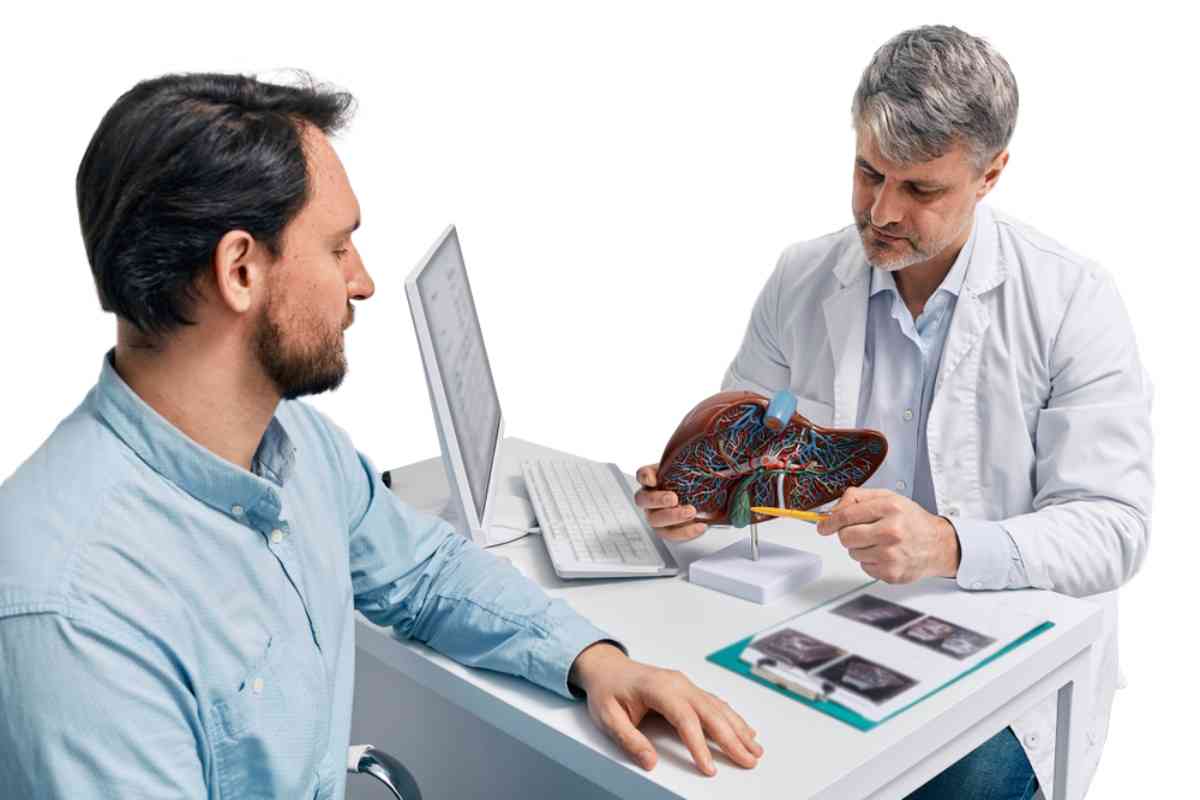
What sets a multi speciality hospital in Delhi apart is the way different departments work side by side. If a patient has a spine injury along with a heart condition, both the orthopaedic and cardiac doctors can step in at the same time. This way, decisions are made faster and the treatment feels safer for the patient.

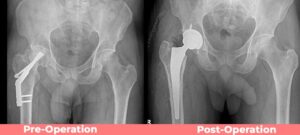
This model not only saves time but also reassures families that their loved one is receiving care that looks at the bigger picture. A woman coming in for a hip replacement may need help from a physiotherapist, a pain specialist, and a dietician. Having everyone in one place makes recovery smoother and less stressful.

Managing Critical Care

Emergencies rarely give time to plan. Whether it is a road accident, a heart attack, or sudden kidney failure, the first few hours decide outcomes. At the top multi speciality hospital in Delhi NCR, there is usually a 24×7 accident and emergency service, backed by ICUs equipped with ventilators, blood gas analysers, and trained intensivists.

Take the case of a major accident. A person with broken bones might need an orthopaedic surgeon, while another doctor takes care of soft tissue injuries, and sometimes even a spine specialist has to step in. In a multi speciality hospital, these doctors are already under one roof, so they can get involved right away and work together to give the patient the best chance of recovery.

Advanced Surgical Facilities

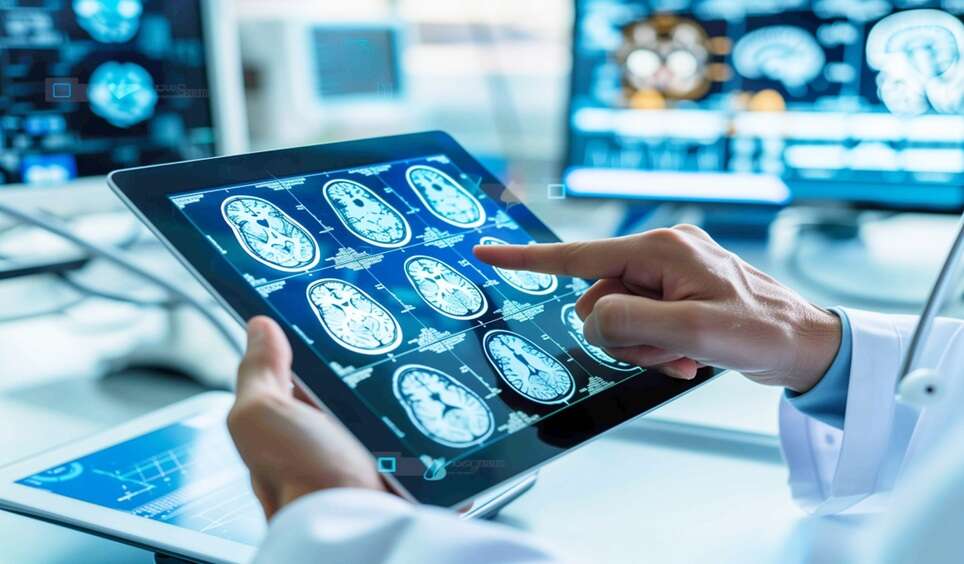
These days, surgery is supported by far more than just the surgeon’s hands. In many super speciality hospitals, surgeries look very different today. Robotic tools now help doctors fit new joints more precisely, spine treatments can often be done through smaller cuts, and advanced scans give heart specialists a clearer picture while they work.

For patients, this usually means less bleeding during surgery, quicker recovery, and fewer days in the hospital. The real strength lies in combining this new technology with doctors who’ve handled hundreds of such cases, so the care feels both safe and reliable.

A Team Approach That Saves Lives

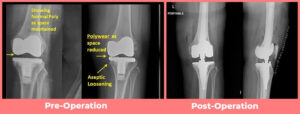
One of the biggest strengths of multi speciality hospitals is their ability to bring experts together for complex cases. For example, a patient undergoing joint replacement may also have diabetes or kidney issues. In such cases, the orthopaedic surgeon will coordinate with the nephrologist and endocrinologist to make sure surgery is safe and recovery is smooth.

Families often say that what they value most is not just the operation itself but the way doctors from different departments speak to each other, share updates, and agree on a common plan. This sense of coordination is what patients hope for when they search for a superspeciality hospital near me.

Rehabilitation After Surgery

Critical care doesn’t end when the operation is over. Recovery is just as important. In good hospitals, the recovery work usually starts soon after surgery. Often, recovery starts with the small things. A physiotherapist might show a few simple movements to get strength back, younger patients sometimes work with sports medicine doctors so they can return safely to activity, and dieticians step in with advice that makes healing easier.

At Sant Parmanand Hospital, we often tell patients that surgery is only one chapter of the journey. The follow-up sessions, therapy, and careful monitoring in the weeks after surgery are what truly bring long-term comfort. This approach is part of why patients often remember the care around their operation as much as the operation itself.

Training and Teaching Hospitals

Many multi speciality hospitals in Delhi also serve as teaching centres. At Sant Parmanand Hospital, our Orthopaedics Department has also been approved to train DNB students, which means young doctors learn here while patients benefit from the latest knowledge and techniques. Young doctors learn here through workshops, CMEs, and live surgeries, while patients benefit from the fact that the team is always up to date with the latest practices.

It’s this habit of constant learning that helps a top multi speciality hospital in Delhi NCR manage not just everyday treatments but also some of the most complex cases with confidence.

Why Families Trust Multi Speciality Hospitals ?

When someone is unwell, families don’t just want treatment, they want clarity and support. In a multi speciality hospital, different departments are in the same place, so people don’t have to run around looking for separate doctors. Whether it’s the heart, joints, kidneys, or anything else, care is connected. For families, it makes things simpler. They don’t have to run around between different places, and if something unexpected happens, the right help is already on hand.

Our Perspective at Sant Parmanand Hospital

At Sant Parmanand Hospital, we see firsthand how much difference teamwork makes. A patient may come to us for spine surgery, but along the way may also need care from a cardiologist or nephrologist. Because we have specialists across departments, we can bring them together quickly without any delay.

For us, being counted among the top multi speciality hospital in Delhi NCR is not only about technology or numbers. At the end of the day, what matters most is that patients know they don’t have to run from one place to another. Whatever their health problem, they can find the right specialist here to guide them.

Conclusion

Critical care and surgeries demand more than just expertise in one area. They require coordination, quick decisions, and a system that supports patients before, during, and after treatment. Multi speciality hospitals are built on exactly this idea.

When doctors, technology, and teamwork come together, a super speciality hospital in Delhi earns people’s trust, whether it’s for sudden emergencies or scheduled surgeries.

FAQs

What is the function of a multi-specialty hospital?

What makes multi-speciality hospitals easier for patients is that everything is in one place. The specialists they need are all available without the stress of going from hospital to hospital.

Which is the largest superspeciality hospital in India?

All India Institute of Medical Sciences (AIIMS), New Delhi, is considered the largest superspeciality hospital in the country.

Which is the number one multi-specialty hospital in NCR?

People usually count hospitals with the right setup and strong specialist teams, like Sant Parmanand Hospital, among the top choices in NCR.


High and Low Blood Pressure: Symptoms, Causes & Preventing Tips

Blood pressure that’s too high or too low can affect your body in serious ways. High blood pressure (hypertension) increases your risk of heart attack, stroke, and kidney problems, often without any warning signs. Low blood pressure (hypotension), while less talked about, can lead to dizziness, fainting, and in some cases, shock or organ damage if left unaddressed.


High and Low Blood Pressure Symptoms


Knowing the signs, causes, and how to manage both conditions is key to staying healthy.


Factors that could trigger Hypertension

  • Old age 
  • Genetics
  • Being overweight or obese
  • Physical inactivity 
  • High-salt diet
  • Overconsumption of alcohol 
  • Stress


Factors that could trigger Hypotension

  • Pregnancy
  • Heart and heart valve conditions.
  • Hormone-related diseases/endocrine conditions
  • Dehydration
  • Blood loss
  • Severe infection
  • Severe allergic reaction/anaphylaxis
  • Lack of nutrients in the diet
  • Low levels of vitamin B-12, folate and iron 


High and Low Blood Pressure Explained

High and low blood pressure values are usually shown as two numbers. The first number, called systolic, reflects the pressure in your arteries when the heart beats. The second, known as diastolic, shows the pressure when the heart is resting between beats.

You’re considered to have high blood pressure (hypertension) if your readings on two separate occasions show a systolic pressure of 140 mmHg or higher and/or a diastolic pressure of 90 mmHg or higher.

On the other hand, low blood pressure (hypotension) is usually defined as a systolic reading below 90 mmHg and/or a diastolic reading below 60 mmHg.

If diagnosed with either of them, your doctor might prescribe medication to help manage it, depending on your overall health and any other conditions you may have.

For people with certain health issues like heart disease, stroke, diabetes, kidney problems, or a high risk of cardiovascular events, the ideal blood pressure target is below 130/80 mmHg. In general, most adults are advised to aim for a reading under 140/90 mmHg.

The only way to detect hypertension or hypotension is to have a health professional measure blood pressure. Having blood pressure measured is quick and painless. Although individuals can measure their own blood pressure using automated devices, an evaluation by a health professional is important for assessment of risk and associated conditions.


Symptoms can be silent, but not always

Most often, people with Hypertension don’t feel any symptoms. In severe cases, however, people experience:

  • severe headaches
  • chest pain
  • dizziness
  • difficulty breathing
  • nausea
  • vomiting
  • blurred vision or other vision changes
  • anxiety
  • confusion
  • buzzing in the ears
  • nosebleeds
  • abnormal heart rhythm

Hypotension symptoms can include:

  • Blurred or fading vision.
  • Dizzy or lightheaded feelings.
  • Fainting.
  • Fatigue.
  • Trouble concentrating.
  • Upset stomach.

Extreme low blood pressure can lead to a condition known as shock. Symptoms of shock include:

  • Confusion, especially in older people.
  • Cold, clammy skin.
  • Decrease in skin color, also called pallor.
  • Rapid, shallow breathing.
  • Weak and rapid pulse.

If you are experiencing high and low blood pressure, seek care immediately. Sant Parmanand Hospital has some of the best cardiologists in Delhi NCR.


Why Early Treatment Matters ?

Both high and low blood pressure can lead to problems if ignored.

High blood pressure puts extra strain on your heart and can quietly damage organs like your kidneys and eyes over time. It raises the risk of heart disease, stroke, and kidney failure—often without any warning signs.

Low blood pressure, on the other hand, can limit blood flow to your brain and vital organs. This might make you feel faint, tired, or dizzy—and in some cases, it can lead to serious complications, especially in older adults or people with other health conditions.

Sant Parmanand Hospital is one of the best high blood pressure hospitals in Delhi, where our cardiology team provides targeted therapies and regular monitoring to help patients not only control their blood pressure but also reduce the risk of long-term complications affecting the heart, kidneys, and blood vessels.


Treatments for Hypertension

Managing high blood pressure often starts with lifestyle changes. For many people, simple daily habits can make a big difference. Eating a balanced, low-salt diet, staying physically active, losing excess weight, and quitting tobacco are all important steps that can help bring blood pressure under control.

In some cases, lifestyle changes alone aren’t enough, and that’s where medication comes in. If you’ve been diagnosed with hypertension, your doctor may recommend one or more medicines depending on your blood pressure level and whether you have other conditions like diabetes, heart disease, or kidney problems.

For people at higher risk, such as those with heart disease, diabetes, or chronic kidney disease, the target is usually to keep blood pressure below 130/80 mmHg. For most others, the goal is to stay below 140/90 mmHg.

There are different types of medicines used to manage blood pressure, and each works in its own way:

  • ACE inhibitors (like enalapril, lisinopril) help relax blood vessels and protect the kidneys
  • Angiotensin II receptor blockers (ARBs) (like losartan, telmisartan) work similarly to ACE inhibitors and are often used if ACEs cause side effects
  • Calcium channel blockers (like amlodipine, felodipine) relax the muscles of the blood vessel
  • Diuretics (like hydrochlorothiazide, chlortalidone) help the body get rid of excess salt and water, which can reduce blood pressure

Your designated doctor at the Sant Parmanand Hospital will decide the best combination for you. It is important to take medicines exactly as prescribed, even if you feel fine.


Treatments for Hypotension

Low blood pressure isn’t always a cause for concern, but if it is making you feel faint, dizzy, or weak, it is important to find out why.

In many cases, treatment depends on what’s causing the drop in pressure. If it is linked to dehydration, the solution might be as simple as drinking more fluids or adding a bit more salt to your diet (under medical supervision). For others, especially older adults, low blood pressure may be related to medicines, heart conditions, or nervous system disorders.

Your doctor may advise:

  • Eating smaller, more frequent meals to prevent blood pressure dips after eating
  • Wearing compression stockings to improve blood flow and reduce pooling in the legs
  • Adjusting or changing medication if your current prescription is lowering your pressure too much
  • Drinking more fluids to maintain blood volume, especially during hot weather or illness

In some cases, medicines like fludrocortisone or midodrine may be used to help raise blood pressure. These are usually prescribed if lifestyle changes alone aren’t enough.


FAQs

What is considered high and low blood pressure?

High blood pressure is 140/90 mmHg or above. Low blood pressure is usually anything below 90/60 mmHg.

Can high blood pressure be reversed naturally?

For many people, healthy lifestyle changes—like eating well and staying active—can bring numbers down without medicines.

What foods help stabilize blood pressure?

Fresh fruits, leafy greens, low-salt foods, whole grains, and potassium-rich items like bananas and lentils help balance BP.

How often should I check my blood pressure?

If you’ve had abnormal readings before, check it once a week—or as advised by your doctor.

Is low blood pressure dangerous?

It can be, especially if it causes fainting, falls, or affects blood flow to vital organs. It’s best to speak with a doctor if you feel unwell.

How Do North Delhi’s Best Diabetes Hospitals Help Reverse Pre-Diabetes?

Pre-diabetes is a bit of a crossroads. Your blood sugar is higher than it should be,  but not high enough to be called diabetes. It often shows no symptoms, and many people only discover it during a routine blood test.

Here’s the important part: it doesn’t have to turn into full-blown diabetes; with early action and the right medical support, you can reverse it.

North Delhi Best Diabetes Hospitals

At trusted centres like Sant Parmanand Hospital, known for being the best diabetes treatment hospital in North Delhi (Civil Lines), the goal is not just to manage blood sugar — it’s to prevent things from progressing.


What Is Pre-Diabetes — and Why It Matters

Pre-diabetes means your body is starting to struggle with how it processes sugar. Your fasting blood glucose may be between 100–125 mg/dL, or your HbA1c may fall between 5.7% and 6.4%.

It doesn’t always feel like something’s wrong. But if pre diabetes treatment is ignored, this condition can quietly lead to Type 2 diabetes, along with long-term risks to your heart, kidneys, nerves, and eyes.

That’s where expert guidance comes in, like the kind offered at a Diabetes specialist hospital in NCR like Sant Parmanand, where prevention is just as important as treatment.


Small Changes. Big Difference.

At this early stage, most people don’t need medication. What they do need is a clear plan that is built around realistic changes in diet, movement, and monitoring.

At a multispeciality hospital like SPH:

  • Dieticians help you rethink your meals (not remove joy from them)
  • Doctors monitor your progress and adjust as needed
  • Exercise physiologists create simple fitness routines suited to your health and daily life
  • Specialists keep an eye on heart, kidney, and eye health

It’s not just about sugar but rather about the whole body. That’s why the team-based care model matters.


Why a Multispeciality Setup Works Better ?

When pre-diabetes is caught early, it is an opportunity to fix things before they get worse. Hospitals like Sant Parmanand, known to many as the best diabetes treatment hospital in North Delhi (Civil Lines), are built for these turning points. You are not just referred to a Diabetes specialist doctor in Delhi, but you get care from a network of professionals under one roof.

This means:

  • No delays in getting second opinions
  • Coordinated care that looks at the bigger picture
  • Less confusion, more clarity

It is one of the many reasons why people searching for the best diabetes hospital in Delhi often end up here.


Signs You Shouldn’t Ignore

Even if your sugar is “just a bit high,” there are some signs worth watching out for:

  • Feeling thirsty all the time
  • Going to the loo more than usual
  • Feeling tired, despite resting
  • Cuts are taking longer to heal
  • Tingling in fingers or feet
  • Blurry vision
  • Unexpected weight changes

If you have these symptoms, especially alongside a family history, it is worth seeing a Best Diabetes Doctor sooner than later.


How Is Pre-Diabetes Diagnosed?

The most common tests include:

  • Fasting blood sugar: Done after an 8-hour fast
  • Random blood sugar test: Any time of the day
  • HbA1c test: Reflects your average sugar levels over 2–3 months
  • For women who are pregnant or planning to conceive, a glucose tolerance test may be recommended.

At Sant Parmanand Hospital, these tests are done on-site, quickly and efficiently, so you won’t have to run between labs.


Turning Things Around

Reversal of pre-diabetes doesn’t mean a cure. It means you bring your numbers back to normal range, without needing medication, and keep them there.

This might involve:

  • Dropping 5–7% of your body weight
  • Daily walks or light exercise
  • Reducing refined carbs
  • Improving sleep
  • Managing stress better

At a place like SPH, the focus is on habit formation that holds up over time. It’s one of the reasons it is widely seen as the best diabetes treatment hospital in North Delhi (Civil Lines).


When to Switch From Clinic to Hospital Care

Many people start their journey at a local clinic. But here’s when it might be time to seek care at a larger hospital:

  • You’re struggling to control sugar with lifestyle alone
  • Your reports show rising cholesterol or BP
  • You’ve had gestational diabetes before
  • There’s a family history of Type 2 diabetes
  • You’re getting frequent infections, or wounds aren’t healing
  • You feel confused about the next steps

In such cases, a hospital like Sant Parmanand provides coordinated care that’s easy to navigate, with follow-ups that are tracked.

Pre-diabetes isn’t a setback, but a signal for you to take control early and make changes that can protect your health for the long run.

Hospitals like Sant Parmanand, regarded by many as the best diabetes treatment hospital in North Delhi (Civil Lines), are built to support you through that change. Whether it’s through structured care, easy access to specialists, or day-to-day support, you’re not doing it alone. And that makes all the difference.


FAQs

What is pre-diabetes?

Pre-diabetes means your blood sugar is higher than normal, but not high enough to be diabetes. It’s a warning sign — not a diagnosis.

Can pre-diabetes be reversed completely?

In many cases, yes. With lifestyle changes and support from your care team, it’s possible to bring sugar levels back to a healthy range.

How do I know if I have pre-diabetes?

Often, there are no clear symptoms. A simple blood test can confirm if your sugar levels are in the pre-diabetic range.

Who is most at risk of developing pre-diabetes?

People with a family history of diabetes, weight issues, or a sedentary lifestyle are more likely to develop it.

What changes can help reverse pre-diabetes?

Eating balanced meals, exercising regularly, managing stress, and maintaining a healthy weight all make a big difference.

Should I take medicine for pre-diabetes?

Not always. Many people manage it with lifestyle changes alone, but your doctor may recommend medication if needed.

Is pre-diabetes common in Delhi?

Yes. Changing diets, stress, and sedentary routines mean more people in urban areas like North Delhi are being diagnosed.

Why choose a multispeciality hospital for pre-diabetes?

Because it gives you access to a team of dieticians, endocrinologists, fitness experts — all working together on one plan.

Can children have pre-diabetes too?

Yes, especially if there’s a family history or weight issues. Early screening helps in catching it before it develops further.

Is there a test to check if pre-diabetes has reversed?

Yes, a follow-up HbA1c or fasting blood sugar test can show how well your body is managing glucose.

What Should Parents Look for in a Pediatric Hospital in North Delhi?

Raising a child is filled with little surprises—some joyful, some uncertain. From a sudden sneeze that turns into a visit to the doctor, to routine check-ups that bring peace of mind, parents are always on alert. In those moments—big or small—they deserve a hospital that understands their concerns, speaks their language, and treats their child with care and comfort. At Sant Parmanand Hospital, that’s exactly what we strive to be: a trusted partner in your child’s health journey.


Pediatric Hospital North Delhi


To face such scenarios with confidence, we’ve worked hard to become one of the best pediatric care hospitals in north delhi, trusted by generations of families.

What Should Parents Look for in a Pediatric Hospital in North Delhi?

From the moment a baby takes its first breath, its care becomes the center of everything. At Sant Parmanand Hospital, we know it takes more than credentials to earn your trust, which is why we do our best to be the kind of place you and your child can feel at home in, no matter the reason for your visit.

Care That’s Always There

Kids don’t follow a schedule when it comes to getting sick, and neither do we. At Sant Parmanand Hospital, our pediatric OPD runs every day, so you can drop in for checkups, follow-ups, or those “just-in-case” worries. If something urgent comes up, our paediatricians and nurses are right here, ready to help.

We understand that families searching for the best pediatric care hospitals in North Delhi need the comfort of knowing that experienced care is available around the clock. It’s one of the reasons so many families continue to place their trust in us.

A NICU That Feels Like a Safety Net

When a newborn needs more than just a gentle start, maybe because they arrived early or need extra medical support, our NICU steps in. It is equipped with everything the tiny, fragile babies might need:

  • Open care systems for ease of access and monitoring
  • Centralized oxygen, suction, and compressed air systems
  • Phototherapy and exchange transfusion for neonatal jaundice
  • Ventilators with high-frequency modes for babies needing respiratory support
  • Surfactant therapy and total parenteral nutrition for premature lungs and nutritional needs

And behind every machine is a team of trained pediatric intensivists, nurses, and neonatal care specialists with years of experience.

This level of neonatal support is what separates Child specialist hospital in North Delhi area like ours from basic pediatric facilities.

Back-Up Support That Covers Every Angle

Pediatric care doesn’t exist in a vacuum. Sometimes, what starts as a cough or infection might require more than just medication. Being a multispecialty hospital means that help is always close and available when needed. Whether your child needs an urgent scan, a sudden surgery, or just safe, steady support, we’re ready.

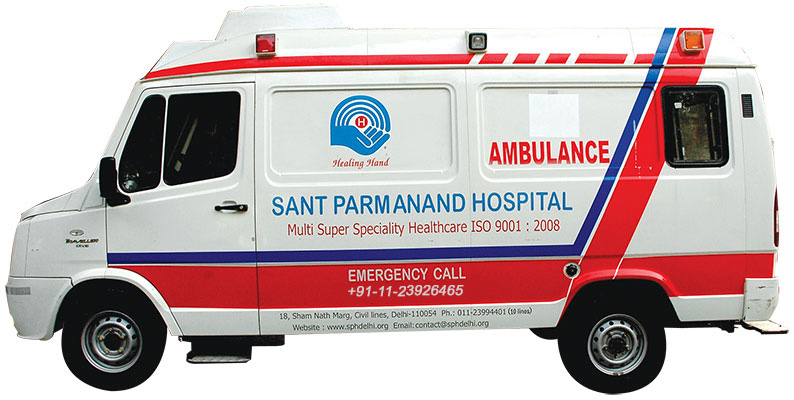
From quick access to X-rays, ultrasounds, echo and Doppler tests, to well-equipped operating rooms and standby power — everything is set up to act fast when it matters. We also have ambulances available around the clock, and if needed, a doctor can ride along too.

It’s what makes Sant Parmanand Hospital one of the most trusted Pediatric emergency hospitals in the area, especially for families who can’t afford to wait.

Neonatal Care That Begins Before Birth

For babies born at Sant Parmanand, care begins from the moment a mother arrives in labour. Continuous fetal monitoring tools help our team track every heartbeat and contraction. If an emergency delivery becomes necessary, our in-house neonatologists and pediatric surgeons are ready, making the transition from womb to NICU seamless.

Furthermore, mothers of admitted newborns are provided complimentary stay and meals, reinforcing our belief that recovery and care are a family journey. This ongoing care model is part of why many families consider us among the best pediatric care hospitals in North Delhi, especially for newborn and high-risk deliveries.

Clear Communication with Referring Doctors

If your baby is referred to us by another paediatrician or hospital, we make it a priority to keep them informed. After discharge, we send a summary of your baby’s care, so your doctor can stay in the loop and continue with follow-up confidently. We also encourage collaboration during the hospital stay to ensure continuity of care and peace of mind.

This level of partnership reflects our commitment to being a reliable childrens hospital North Delhi families can count on.

A Compassionate Touch That Complements Clinical Care

Of course, technology and qualifications matter, but so does the reassurance of being understood and treated by another human alike. Our pediatric team knows that sometimes, a silly joke or a gentle word does just as much good as a prescription. We try to meet every child not just with medical care, but with a moment of kindness too.

Our atmosphere of warmth and child-focused compassion is a big reason we’ve earned our place among the best childrens hospital In Delhi, according to generations of families who return to us whenever they need help.

Additional Support for Growing Children

We’re not only here for emergencies, but we also believe in walking beside families through all the everyday milestones. That’s why we offer:

  • Regular immunizations
  • Growth and development check-ups
  • Nutritional guidance and pediatric physiotherapy
  • Support for school-readiness, speech delays, or behavioral issues

This approach to preventive care helps make Sant Parmanand one of the top child care hospital in Delhi, where wellness is supported at every stage, not just when illness strikes.

Why It Matters

Choosing a children’s hospital in North Delhi isn’t about bells and whistles. It’s about trust and knowing that when things feel uncertain, your child is in a place where experience meets empathy. At Sant Parmanand Hospital, one of the Best Children’s Hospitals in Delhi, we treat every little patient like they’re our own.

If you are looking for a top child care hospital in Delhi, whether for routine visits or critical interventions, we are here for you.

Be it a first fever or a follow-up after surgery, you can be assured that you are choosing top care with comfort, competence, and compassion. At Sant Parmanand Hospital, we are your child’s second home.

As one of the best pediatric care hospitals in north delhi, our goal is to walk with families through every milestone, worry, and recovery with care that’s both expert and heartfelt. This includes specialist support for orthopaedic concerns—our paediatric orthopaedics team, at DITO (Delhi Institute of Trauma and Orthopaedics) Department, which provides advanced care for children’s bone injuries, trauma cases, and deformity correction.

FAQs

How do you take care of a pediatric patient?

At Sant Parmanand Hospital, pediatric care begins with listening to both children and their parents. From everyday checkups at our daily General Pediatric OPD to specialised NICU support for newborns, our team blends compassion with experience to make every child feel safe and well cared for.

What is the speciality of paediatrics?

Paediatrics focuses on the physical, emotional, and developmental health of infants, children, and adolescents. At SPH, this extends from routine consultations to advanced care in neonatology, surgery, and emergency support.

Are advanced diagnostic tools available for children?

Yes, absolutely. We offer emergency X-rays, ultrasounds, echocardiography, Doppler studies, and continuous fetal monitoring

Laparoscopic Gallstone Removal: Procedure, Benefits, Recovery and More

Gallstones or gallbladder stones are hardened deposits of digestive fluid (bile) that can form in your gallbladder – a small, pear-shaped organ on the right side of your abdomen, just beneath your liver. The size of the stones can be as small as a grain of sand or as large as a golf ball. Some people develop just one gallstone, while others develop many gallstones at the same time. Many people with gallstones feel nothing at all, and can go undiagnosed for long periods. But if a stone blocks a bile duct, it can trigger sudden, intense pain and require surgery.

Laparoscopic Gallstone Removal

Image Source: Freepik.com

Other Signs and Symptoms May Include:

  • Sudden and rapidly intensifying pain in the upper right portion of your abdomen
  • Sudden and rapidly intensifying pain in the centre of your abdomen, just below your breastbone
  • Back pain between your shoulder blades
  • Pain in your right shoulder
  • Nausea or vomiting

Gallstone pain may last several minutes to a few hours, but one should approach a hospital if the symptoms are severe, so much so that you find it difficult to sit still or find a comfortable position, notice yellowing of the skin and eyes (jaundice), or have a high fever with chills.

Gallbladder Stone Removal:

While various treatment options are available, including non-surgical methods to dissolve or remove the stones, healthcare professionals often recommend surgically removing the entire gallbladder, known as a cholecystectomy. It is a standard procedure performed to address gallstone-related issues effectively.

1. Laparoscopic/Robotic Cholecystectomy

In a laparoscopic cholecystectomy, the person is first put to sleep with general anaesthesia. The surgeon then makes a few small cuts and inserts tools through them to reach the gallbladder. One of those tools has a small camera on it, so the surgeon can see what they’re doing inside without making a big cut. Upon carefully removing the gallbladder stones, the surgeons close up the incisions with stitches or staples. Sometimes, the surgeon controls robotic arms to do the work with more precision.

2. Open Cholecystectomy

In cases where Laparoscopic surgery is difficult due to adhesions, infection, malignancy or other causes, sometimes open surgery for Gallbladder removal may be done. They may also choose to perform the procedure if the gallbladder is:

  • Severely inflamed
  • Scarred from several other procedures
  • Affected by bleeding issues
  • The person is overweight or obese
  • Visibility inside the body is poor

3. Endoscopic Retrograde Cholangiopancreatography (ERCP)

In cases where Gallstones slip from the Gallbladder into the Common Bile Duct, an Endoscopic procedure, known as ERCP may be done to remove them before proceeding with a Laparoscopic Cholecystectomy.

Removing the Gallbladder or Just the Stones?

When diagnosed with gallstones, one may wonder why the solution often involves removing the entire gallbladder (cholecystectomy) instead of just targeting the stones. Sant Parmanand Hospital is one of the best hospitals for gallbladder removal surgery in Delhi NCR.

According to studies, it is always advisable to remove the entire gallbladder as gallstones tend to recur over time, and removing the gallbladder eliminates the risk of future gallstone formation and associated complications.

Rest assured, gallbladder removal does not significantly impact digestion or overall health, as the liver can still produce bile that can be redirected into the digestive system.

Gallstone Treatment at Sant Parmanand Hospital

At Sant Parmanand Hospital, we regularly treat patients dealing with gallbladder stones. The Gastro-Surgery department handles a wide range of procedures, including laparoscopy to remove gallbladder stones, which is a common and minimally invasive surgery.

When needed, procedures like ERCP are used to check for and remove stones from the bile duct. Endoscopic stone removal and stenting for narrowed bile or pancreatic ducts are also part of the treatment options, depending on the case.

The operating theatres are well-equipped, and care is taken to make the experience as smooth and safe as possible for the patient.

Recovery and Aftercare

A person’s recovery time depends on the type of surgery they had and any complications that arose.

After laparoscopic cholecystectomy, a person can often go home the same day or the next day. They can expect to return to normal activities within 1 week.

After open cholecystectomy, however, a person may need to stay in the hospital for up to a week. During this time, doctors will provide follow-up care. A person can often return to normal activities within 1 month post this kind of surgery.

With regards to long-term care, people may need to make some long-term dietary changes after the surgery.

After gallbladder removal, a focus on easy-to-digest foods, lean proteins, and smaller, more frequent meals is recommended. It’s crucial to avoid high-fat, greasy, and spicy foods initially, gradually reintroducing them as tolerated. Staying hydrated and adding fibre gradually can also aid digestion.

FAQs

How long does it take to recover from laparoscopic gallbladder stone removal?

Depending on the type of surgery, it could take up to 4 or 6 weeks to recover from laparoscopic gallbladder stone removal.

Is laparoscopic surgery painful?

Because it uses smaller cuts and causes less disruption to the body, laparoscopic surgery is less painful compared to traditional open surgery.

What foods should I avoid after gallbladder stone removal?

In general, it’s best to limit fatty, oily, fried, and heavily processed foods after surgery, since your body can have a harder time digesting them.

Are there any long-term side effects of the surgery?

Long-term issues after a laparoscopic cholecystectomy aren’t very common, but some people may experience what’s known as post-cholecystectomy syndrome (PCS). This can cause symptoms like bloating, diarrhoea, heartburn, or stomach pain, which may affect day-to-day comfort and quality of life.


Excellence in Brain & Nerve Care at the Best Hospital for Neurological Problems in North Delhi

The brain and nervous system control everything from movement to memory, making neurological health critical to overall well-being. At Sant Parmanand Hospital, Civil Lines, we take pride in offering cutting-edge treatments, world-class neurosurgical care, and expert neurologists to ensure the best outcomes for our patients.

With a legacy of excellence and a patient-first approach, we specialize in treating complex neurological disorders, from stroke and epilepsy to Parkinson’s disease and brain tumors. Our multidisciplinary team of neurologists combined with advanced diagnostics, neurorehabilitation, and minimally invasive procedures, ensures comprehensive and compassionate neurological care under one roof.

Why Neurological Care is Critical ?

The nervous system controls every function in the body, including movement, cognition, and emotions. Even minor neurological conditions can affect daily life, disrupt communication, and impact independence, making timely diagnosis and treatment essential.

As one of the top neurology hospitals in North Delhi, Sant Parmanand Hospital offers specialized care for a wide range of neurological disorders, ensuring early diagnosis, effective treatment, and long-term management. Our team includes some of the best neurologists in Delhi NCR, providing state-of-the-art treatment for both acute neurological conditions and chronic disorders.

From advanced brain and spine surgery to specialized neurorehabilitation programs, we are committed to helping patients regain mobility, independence, and quality of life.

Common Neurological Disorders We Treat

Neurological disorders can impact the brain, spinal cord, and peripheral nerves, affecting movement, speech, and cognitive function. Early intervention is key to managing these conditions effectively.

At Sant Parmanand Hospital, our specialists treat a wide range of neurological conditions, including:

  • Alzheimer’s disease: A neurodegenerative condition that can cause memory loss, behavioral changes, and other symptoms 
  • Dementia: A group of diseases that can cause memory loss, behavioural changes, and other symptoms 
  • Epilepsy: A functional disorder that can cause seizures 
  • Migraines: A functional disorder that can cause headaches 
  • Parkinson’s disease: A progressive nervous system disorder that can cause muscle stiffness, tremors, and other symptoms 
  • Multiple sclerosis: A neurodegenerative condition that can affect the nervous system 
  • Amyotrophic lateral sclerosis (ALS): A neurodegenerative condition that can affect the nervous system 
  • Headaches: A common type of pain that can include migraines, sinus headaches, and cluster headaches 
  • Bell’s palsy: A structural disorder that can affect the nerves of face.
  • Carpal tunnel syndrome: A structural disorder that can affect the nerves of palm
  • Peripheral neuropathy: A structural disorder that can affect the nerves of limbs

Our neurology specialists use the latest diagnostic tools and treatments to provide customized care, ensuring the best possible quality of life for patients.

Neurology Care at Sant Parmanand Hospital

At Sant Parmanand Hospital, we combine clinical expertise with advanced technology to deliver world-class neurological care. Our facilities include:

Advanced Neurosurgical & Treatment Facilities

  • State-of-the-art Neuro-rehabilitation facilities for early diagnosis and rehabilitation.
  • Advanced diagnostic tools like MRI, CT scans.
  • Skilled neurologists with experience in treating a range of neurological conditions
  • A team of physiotherapists and psychologists to provide comprehensive care
  • Personalized treatment plans for each patient’s neurological disorder 
  • 24/7 emergency neurology care 
  • Accredited hospitals that meet international standards for safety, hygiene, and quality of care 

At Sant Parmanand Hospital, we focus on early detection, precise diagnosis, and personalized treatment plans to help patients recover faster and live healthier lives.

Choosing the Right Neurology Hospital 

When selecting a hospital for neurological treatment, it’s essential to consider:

1. Expertise & Specialization

A hospital with a team of experienced neurologists ensures the best possible care for complex neurological disorders.

2. Advanced Treatment Options

The best hospitals offer robotic-assisted brain surgery, minimally invasive spine surgery, and AI-powered diagnostics to enhance patient recovery and reduce risks.

3. Integrated Rehabilitation & Post-Surgical Care

From stroke rehabilitation to spinal cord injury recovery, top hospitals provide comprehensive neurorehabilitation programs to help patients regain function and independence.

As a leading neurology specialist hospital in Delhi, Sant Parmanand Hospital is dedicated to delivering world-class care with a patient-first approach.

Our Commitment to Excellence in Neurology Care

As one of the top neurology hospitals in North Delhi, Sant Parmanand Hospital has built a reputation for exceptional patient care, advanced treatment options, and medical excellence.

Our team of highly skilled neurologists specialize in:

  • Complex brain and spine surgeries
  • Stroke management and neurocritical care
  • Minimally invasive neurosurgery and neurostimulation therapy

We are committed to providing personalized treatment, ethical medical practices, and innovative care to help our patients achieve the best possible neurological health.

For expert consultation, contact us at: 011-44015050-55 or Visit us: contact@sphdelhi.org

FAQs

What are some neurology subspecialty fields?

Some neurology subspecialty fields include:

  • Brain injury medicine.
  • Child neurology.
  • Clinical neurophysiology.
  • Epilepsy.
  • Headache medicine.
  • Geriatric neurology.
  • Neurodevelopmental disabilities.
  • Neuroimaging.
  • Neuro-oncology.
  • Pain medicine.
  • Sleep medicine.
  • Vascular neurology.
  • Movement Disorders.

What are the symptoms of neurological problems?

Common symptoms include chronic headaches, dizziness, numbness, weakness, memory loss, speech difficulties, and coordination issues.

Do these hospitals offer rehabilitation for neurological disorders?

Yes, Sant Parmanand Hospital provides comprehensive neurorehabilitation with physiotherapy, speech therapy, and occupational therapy to aid recovery.

How can I find the best neurologist in North Delhi NCR?

Look for certified specialists with experience in treating neurological disorders, positive patient reviews, and hospitals equipped with advanced diagnostic facilities.

What is neurology in a hospital?

Neurology is a medical specialty focusing on disorders of the brain, spinal cord, and nerves, treating conditions like stroke, epilepsy, multiple sclerosis, and neurodegenerative diseases.

Which hospital is best for neurology?

Sant Parmanand Hospital, Civil Lines, is recognized as one of the best neurology hospitals in Delhi NCR, offering expert neurological care with state-of-the-art facilities and leading specialists.


Discover Comprehensive Care with the Best Hospital for General Surgery in Delhi

Known for an unwavering commitment to compassionate and ethical healthcare standards, Sant Parmanand Hospital, Civil Lines has established itself as a top general surgery hospital in Delhi.

Our advanced general surgery department, provides round-the-clock care, backed by a highly qualified and experienced group of general and laparoscopic surgeons, as well as outstanding nursing and surgical resident medical personnel. Our facilities, which include an intensive care unit (ICU), anaesthesia services, and pre and post-operative care, are made to deliver the best possible medical treatment and deliver superior patient results.

Why General Surgery is Important ?

In the field of medicine, general surgery is essential since it treats a wide range of illnesses that call for surgical intervention. This speciality is essential for both saving lives and enhancing the quality of life for individuals who are living with a variety of ailments. 

Delaying or avoiding general surgery can lead to worsening health, increased pain, and potential emergencies. Timely surgery ensures quicker recovery, prevents complications, and improves overall well-being, offering a safer and healthier outcome.

Cutting-edge surgical technologies are used at Sant Parmanand Hospital to guarantee accuracy and shorten recovery periods. We have some of the best surgeons for general surgery in Delhi who are known to execute complex surgeries with ease, thanks to minimally invasive treatments.

Features of the Best General Surgery Hospitals

Sant Parmanand Hospital’s Department of Surgery is an example of how superior technology and compassionate care can make all the difference in recovery. Modern surgical tools including high-definition endovision and vessel sealing technologies, along with modular operation theatres (OTs), enable us to execute procedures with lower risk and more patient satisfaction. Our commitment to providing each patient with compassionate care makes us a preferred choice for patients seeking hospitals for general surgery in Delhi.

Excellence in Laparoscopic Surgery 

With a wealth of experience in laparoscopic and minimally invasive procedures, our surgeons serve a range of subspecialties. Due to the small incisions used for these surgeries, patients experience less pain and recover more quickly. Our innovative work in this area is bolstered by ongoing training and adaptation of the most recent surgical methods, which are essential for improving patient outcomes and recovery.

Leadership and Expertise 

Dr. Pradeep Kumar Misra, a pioneer in laparoscopic surgery heads our general surgery department. He is regarded as one of Delhi’s top general surgeons because to his reputation for skill and dedication to patient care. Under his direction, our staff focusses on getting the best results for our patients while performing a variety of surgical operations, from simple appendectomies to intricate abdominal surgeries.

Choosing the Right Hospital for General Surgery 

It’s important to pick the right facility for general surgery. Patients should seek facilities that provide a blend of:

1. Skilled Surgical Teams

The surgical teams consist of experienced professionals who excel in performing a wide range of general surgeries. Their collaborative approach and in-depth expertise ensure precision, safety, and optimal outcomes for every patient.

2. Cutting-Edge Technology

Hospitals utilize advanced tools like minimally invasive surgical systems, real-time imaging, hese innovations enhance surgical accuracy, reduce recovery times, and improve patient comfort during and after procedures.

3. Humane Treatment 

Patients receive compassionate care throughout their journey, from pre-operative consultations to post-operative recovery. Emphasis on patient well-being ensures that emotional, physical, and psychological needs are met with kindness and understanding.

At Sant Parmanand Hospital, we make sure that every patient receives individualised treatment that is catered to their unique requirements and is backed by extensive therapeutic and diagnostic services.

Our Commitment to Patient Care 

Patient safety and happiness are our first priorities. We provide open, trustworthy care while upholding the highest standards of medical ethics. Our reputation as one of the most trusted hospital for general surgery in Delhi NCR, is further cemented by the commitment of our surgeons and medical personnel to deliver the highest calibre of medical and surgical care.


Sant Parmanand Hospital is a cornerstone of ethical and high-quality healthcare in Delhi. Founded in 1933, our hospital has developed into a state-of-the-art multispecialty centre with a focus on general surgery, among other specialities. Because of our commitment to enhancing patients’ lives with innovation surgical techniques and compassionate care, we are the hospital of choice for thousands of patients looking for high-quality, all-inclusive medical care.

FAQs 

What are the most common general surgery procedures?

Common procedures include appendectomies, gallbladder surgeries, hernia repairs, and more complex procedures like gastrointestinal surgeries.

How do I choose the best hospital for general surgery in Delhi?

Make sure that you choose a hospital with a proven track record, technologically advanced surgical techniques and highly experienced surgeons

Are general surgery procedures covered by health insurance?

Most surgical procedures are covered under standard health insurance policies, but patients should check with their insurers for specific details.

Which surgeries are considered general surgery?

General surgery includes a wide range of procedures that involve the abdomen, breast, blood vessels, and other areas.

What are the top 5 major surgeries?

Major surgeries include cardiac surgeries, cancer surgeries, major joint replacements, spine surgeries, and major reconstructive surgeries.

How to Choose the Best Interventional Cardiology Center in Delhi?

Interventional cardiology has revolutionized heart care, offering minimally invasive solutions to complex cardiac issues. In Delhi, advancements in this field are transforming patient outcomes. According to a report, in 2022, India performed 1,506,351 interventional cardiology procedures. With this, the need for cutting-edge treatments has never been more pressing.

But what exactly is interventional cardiology? This medical practice deals with invasive diagnostic and therapeutic coronary and peripheral vascular disorders. These are less invasive procedures, sometimes done through an incision in the wrist or groin area. Common procedures include angioplasty and stenting, atherectomy, valvuloplasty, and percutaneous valve replacement. Now, let’s look at some significant reasons for choosing the best interventional cardiology services/hospital.

Why Choose the Top Interventional Cardiology Services?

Choosing the top interventional cardiology services is critical for optimal outcomes. Major heart conditions require precise diagnosis and treatment tailored to individual needs. Here are some reasons why opting for top-notch care matters:

1. Expertise

If you are looking for the top interventional cardiology services in Delhi, look for renowned cardiologists with extensive experience in accurate procedures.

2. Advanced Technology

Centers equipped with modern tools like intravascular ultrasound and fractional flow reserve (FFR) offer improved diagnostic accuracy.

3. Better Outcomes

Top healthcare services offer high-quality care, minimizing complications and maximizing recovery rates.

4. Holistic Support

Comprehensive care often includes cardiac rehabilitation, dietary guidance, and mental health support. For interventional cardiology services at the Sant Parmanand Hospital, we offer a full package of cardiology services and state-of-the-art facilities to be attended to by cardiology specialists of repute.

Top Features of Reliable Interventional Cardiology Services

Let’s check out some features that will ensure the reliability and effectiveness of cardiology services a hospital can offer:

1. Accreditation and Certifications

Centers accredited by reputed organizations like NABH (National Accreditation Board for Hospitals & Healthcare Providers) adhere to stringent quality and safety standards. These certifications ensure the heart care center is equipped with the latest technology, skilled professionals, and a strong commitment to patient care.

2. Comprehensive Services

From diagnostics to post-procedure care, a one-stop heart care solution is ideal. At Sant Parmanand Hospital, we offer you a full spectrum of services, from advanced diagnostics and minimally invasive procedures to rehabilitation and post-procedure care. Having all services under one roof ensures our patient’s seamless care and better outcomes.

3. Emergency Care Availability

Heart conditions tend to worsen over time. The main characteristics of a great cardiology center entail round-the-clock emergency services that are staffed to deal with problems such as acute myocardial infarction, cardiac dysrhythmia, or cardiac arrest.

4. Patient-Centric Approach

To ensure efficiency, the best interventional cardiology centers focus on patients, develop individual treatment plans, and report patient progress and feelings. It includes undertaking patients and families in management decisions and constantly telling them about the actions to be taken, the possible effects, and the likely outcomes of various procedures.

5. Proven Success Rates

It is important to have statistics on the experiences of the center for common procedures, like angioplasty, stents, and bypass surgeries. At Sant Parmanand Hospital, we have successfully performed more than 3000 cardiac catheterizations and more than 1000 angioplasty (PTCA).

6. Cutting-Edge Technology

The availability of intravascular imaging, robotic operations, and hybrid theatres improves precision and shortens the recovery period. We utilize state-of-the-art technologies to provide the best heart care services in Delhi.

7. Experienced Specialists

It is important to ensure the center has competent and qualified interventional cardiologists with a good track record in the procedures. Check about their accreditation, the period they have practiced, and any special achievements in the area.

Our expert interventional cardiologists, including Dr. Subrata Lahiri and Dr. Jogendra Singh, and their team have great experience performing more than 2000 coronary angioplasties.

8. Multidisciplinary Care

A dependable facility involves cardiac surgeons, anesthesiologists, dieticians, and rehabilitation therapists to care for the patients, depending on their condition.

How to Find Interventional Cardiology Services Near You?

When you search “hospital for interventional cardiology near me,” you must follow a few steps to ensure you choose the best option. These steps include:

1. Conduct Online Research

Begin your search on trusted platforms and check their Google reviews. These platforms provide detailed insights, including ratings, patient testimonials, and information about top-rated cardiologists and hospitals in your area. In Delhi, this can help you shortlist reputable facilities quickly.

2. Seek Referrals

Ask your general physician for recommendations, as they often have a network of trusted specialists. Additionally, family members or friends who have undergone any type of cardiac treatment can provide valuable firsthand insights.

3. Visit Hospitals and Clinics

Take time to personally visit the shortlisted facilities. Pay attention to cleanliness, the behavior of the staff, the infrastructure, and the availability of advanced technologies. A hospital’s overall environment can tell you a lot about its commitment to patient care.

4. Consult Interventional Cardiologists

Schedule initial consultations with interventional cardiologists to discuss your condition and explore treatment options. Use this opportunity to assess their communication style and the clarity of the proposed treatment plan.

5. Verify Credentials and Experience

Ensure that the interventional cardiologist handling your case is qualified and experienced in performing interventional procedures like angioplasty, stenting, or valve replacement. Look for certifications, years of practice, and success rates in specific procedures.

Frequently Asked Questions (FAQs)

What procedures are included in interventional cardiology treatments?

At Sant Parmanand Hospital, we provide you with a range of minimally invasive procedures to treat cardiovascular conditions effectively, such as angioplasty, angiography, pacemaker and ICD Implantation, and Cardiac Resynchronization Therapy (CRT).

How can I determine if I need interventional cardiology treatment?

If you suffer from heart attack, unstable angina, heart valve problems, chest discomfort, or tightness, especially during activity, visit an interventional cardiologist. You may also notice shortness of breath, exhaustion, nausea, vomiting, palpitations, or jaw discomfort. An interventional cardiologist should be seen if your EKG shows a coronary artery blockage or if you have CAD or PAD.

What role does technology play in advanced interventional cardiology?

Minimally invasive angioplasty, stenting, and pacemaker placement depend on technology in advanced interventional cardiology. Advanced imaging, 3D mapping, and robotics improve diagnosis and therapy, speeding recovery and increasing results. These innovations improve patient safety and difficult cardiac disease care.

Are interventional cardiology treatments expensive?

Generally, interventional cardiology treatments are less expensive than conventional cardiac surgery. The cost of interventional cardiology treatments may vary based on a variety of factors, such as the type of treatment, the extent of surgery, the necessity for additional therapies, the duration of the hospital stays, and insurance coverage.

How do I choose the right hospital for interventional cardiology in Delhi?

When choosing a hospital for interventional cardiology in Delhi, you can consider things like accreditation, cardiologist expertise, services offered, technology and facilities, hospital reputation, cost and insurance, and location.

At Sant Parmanand Hospital, you can avail yourself of interventional cardiac services, including coronary angioplasty, angiography, pacemaker and ICD Implantation, and CRT.