


In critical care, progress is not always obvious. Sometimes it looks like nothing is happening at all. A patient lies still. Machines hum softly. Numbers move by small margins. But anyone who has spent time inside a trauma intensive care unit knows that these quiet hours are often the most important.
Why small changes matter early ?
Changes in the body rarely arrive loudly. Breathing patterns shift before breathlessness appears. Oxygen levels dip before distress shows on the face. These moments are easy to miss unless someone is watching closely, all the time. This is where continuous monitoring becomes central to care, especially in trauma and orthopedic cases handled at the best critical care center in delhi.
What happens after the emergency phase ?
In trauma care, the emergency phase gets attention first. An accident, rapid transfer, surgery if required. After that, the work becomes slower and more deliberate. The body needs time to respond, and it does not always respond the same way twice. Two patients with similar injuries can recover very differently.
Monitoring beyond immediate danger
This is why monitoring does not stop once the immediate danger passes. Vital signs, oxygen saturation, blood chemistry, and neurological responses are observed continuously. The goal is not speed, but awareness. Acting early, before a situation worsens, often prevents a larger problem later. This approach is part of daily practice at the best critical care center in delhi.
Trauma intensive care and sustained attention
At Delhi Institute of Trauma and Orthopaedics, trauma patients are supported by a dedicated Trauma Intensive Care Unit. Ventilators, monitors, and blood gas analysers are used to track recovery through its most fragile phase. These systems are managed by in-house intensivists who remain involved long after the first intervention is complete. Care does not stop once the surgery is over. The real work often starts after that.
The human side of continuous monitoring
Monitoring, however, is not only about machines. Screens provide numbers, but people provide meaning. A patient who becomes restless, unusually quiet, or confused may be showing early signs of trouble. These details are noticed by teams who spend long hours at the bedside.
How teams work together in critical care ?
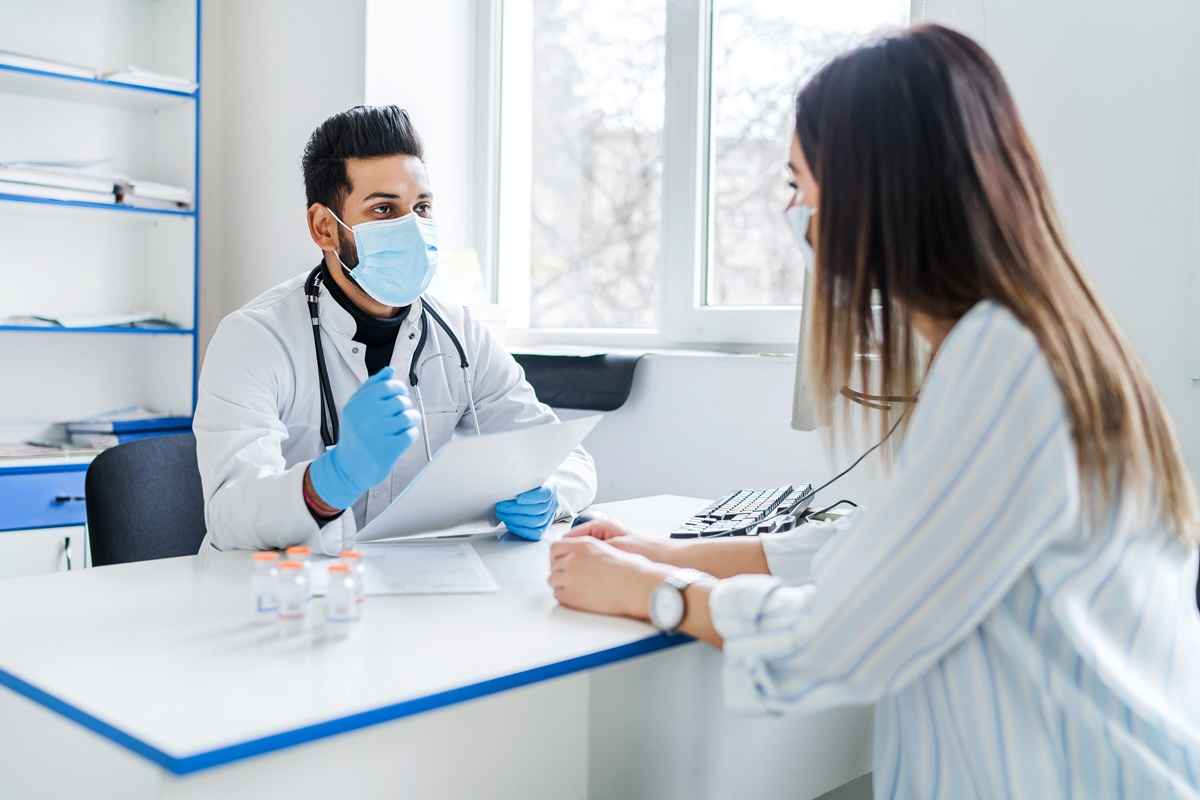
Critical care doctors work alongside nursing staff and orthopedic specialists, sharing observations and adjusting care as needed. Decisions are rarely made alone. Conversations happen quietly and often, based on what is being seen and recorded. This teamwork is what allows a critical care centre to function reliably, even when cases are complex.
Watching recovery after orthopedic surgery
After orthopedic surgeries such as joint replacement, spine surgery, or reconstructive procedures, recovery still needs close watching. Pain response, breathing effort, circulation, and mobility all change during the first few days. Continuous monitoring helps guide these transitions safely.
Letting recovery follow its own pace
Some patients stabilise quickly. Others take longer. Monitoring allows care to remain flexible rather than fixed. Treatment adapts to the patient instead of forcing the patient into a timeline. This patient-specific approach is one of the reasons the best critical care center in delhi is able to support varied recovery paths.
Decisions shaped by discussion, not urgency
Not all decisions in critical care are urgent. Many are made after discussion. With difficult trauma cases, the team talks things through regularly. Progress is reviewed, small changes are noted, and the next steps are decided together, using what the monitors are showing at that time.
Why coordination matters in trauma care ?
This kind of planning is especially important in trauma care, where injuries can overlap and recovery is rarely linear. It is also why a critical care center in NCR must function as a coordinated unit rather than a collection of departments.
Technology supporting steady care
Technology plays a supporting role throughout this process. Blood gas analysers help assess metabolic and respiratory balance. Ventilators support breathing while doctors make small adjustments as the patient responds. Monitors quietly keep track of vital signs in the background.
How observations guide the next phase ?
In intensive care, small observations often influence the next steps. As patients move out of the unit, those observations help guide pain control, mobility, and follow-up. Care does not stop at the ICU door. It simply enters a different phase.
Helping families understand what is happening
Families often notice the difference that continuous monitoring makes, even if they do not always understand the details. When care teams can explain what they are watching and why, it brings reassurance. It helps families feel involved rather than shut out during a difficult period.
The quieter reality of critical care
Critical care is usually calm rather than dramatic. In trauma and orthopaedic care, that steady watch makes recovery safer.
A word from us
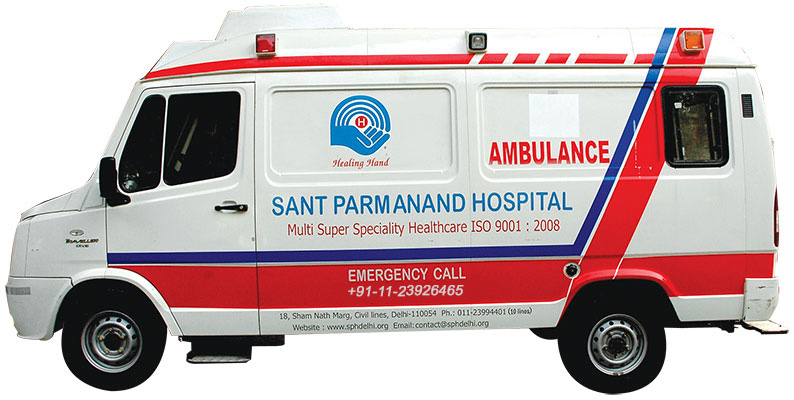
At Sant Parmanand Hospital, housing Delhi Institute of Trauma and Orthopaedics allows us to support trauma patients through advanced monitoring, specialised orthopedic expertise, and coordinated intensive care. We see critical care as something that unfolds over time, shaped by careful observation rather than urgency alone. This steady approach guides how we support recovery, one day at a time.