
How General Surgeons in Delhi Work to Lower Infection Risks During Surgery ?

Most patients worry about pain before surgery.

But surgeons often think about something else first: infection.

It may not be visible, but preventing infection begins long before the first incision and continues well after the last stitch. For anyone searching for the best general surgeon in Delhi, understanding how infection risk is reduced can feel reassuring. It is not about one big precaution. It is about many small, consistent ones done properly.
Top Reconstructive Surgeons in DelhiIt Begins Before You Enter the Operation Theatre
Infection prevention does not start inside the operating room. It starts during evaluation.

Blood sugar levels are checked. Existing infections are treated. Skin is examined carefully. Even something as simple as shaving is handled thoughtfully because small skin cuts can increase the chance of a surgical infection.

A general surgeon doctor looks at the full picture. If diabetes is uncontrolled or immunity is low, surgery may be postponed briefly. It can feel inconvenient in the moment, but stabilising the body first usually lowers complications later.

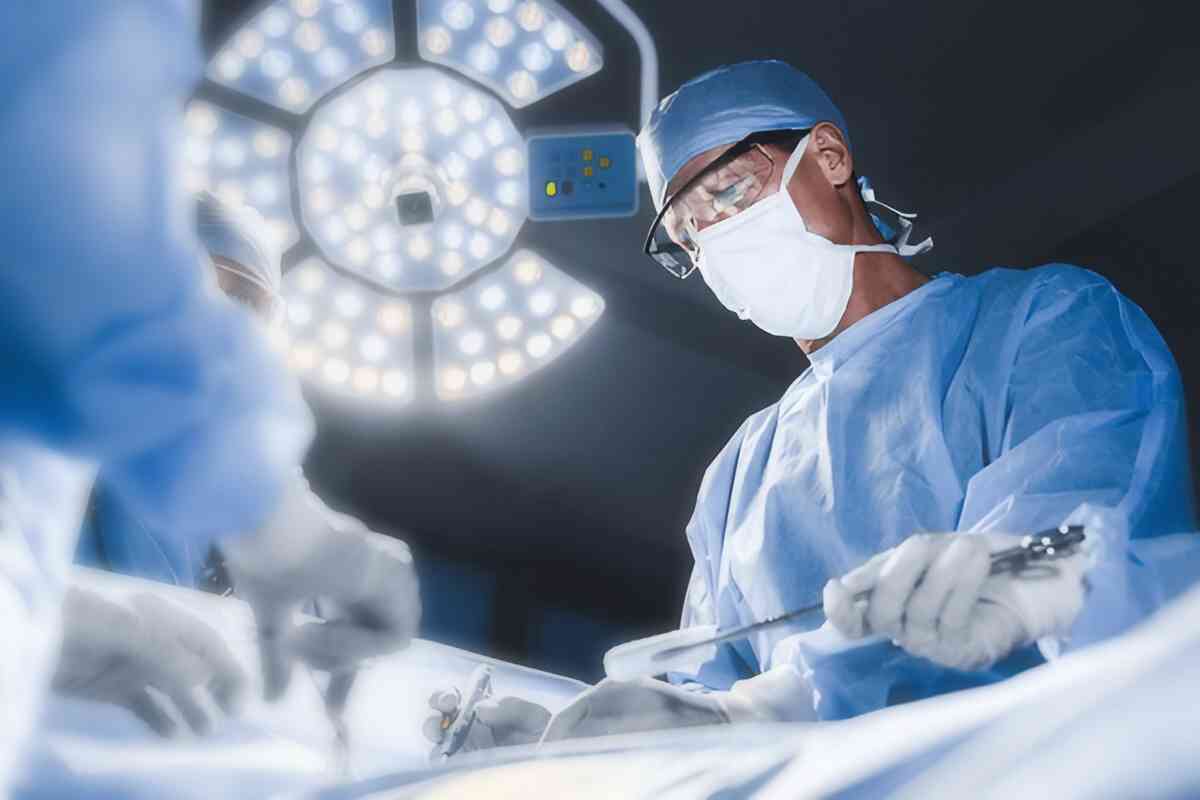
Operation Theatre Discipline Matters

Modern operating theatres are designed to reduce contamination. Modular OTs, controlled airflow, sterilised instruments, and strict entry protocols are all part of routine practice in infection control hospitals.

But equipment alone does not prevent infection. Habits do.

Hand hygiene is repeated more times than patients realise. Surgical gowns, gloves, masks, and sterile drapes are handled carefully. Instrument trays are prepared and monitored with precision.

These practices are routine for the best general surgeon in Delhi, not because they are dramatic, but because they are consistent.

Minimally Invasive Techniques Reduce Exposure

One simple reason many surgeons lean toward laparoscopic or minimally invasive surgery is that the body isn’t left as exposed. Smaller openings mean less disturbance, and that often makes healing a bit easier on the system.

Smaller incisions mean less surface area exposed to external elements. There is less bleeding, less tissue handling, and often quicker closure. All of this contributes to lowering the risk of a surgical site infection.

In our department, many procedures such as gallbladder removal, hernia repair, colorectal surgeries, and urological interventions are performed using advanced laparoscopic methods when suitable. It is not just about faster recovery. It also supports safer healing.

Antibiotics Are Used Thoughtfully

Patients often assume antibiotics are given automatically. In reality, timing matters more than quantity.

A preventive antibiotic may be administered just before surgery begins. This ensures that protective levels are present in the bloodstream during the procedure. Giving it too early or too late reduces effectiveness.

Experienced surgeons understand this timing carefully. It is a small detail, but details matter.

Gentle Tissue Handling Makes a Difference

Infection risk is also influenced by how tissues are handled.

Excessive pulling, unnecessary trauma, or prolonged surgery can increase inflammation and delay healing. Working carefully and avoiding unnecessary handling of tissues helps the body settle faster and lowers the strain surgery can put on it.

Advanced equipment such as high-definition endovision systems and vessel sealing devices allow cleaner dissection and better control of bleeding. Less tissue damage often translates into smoother recovery.

When patients search for the best general surgeon in Delhi, what they are often seeking is not just skill, but control and judgement inside the operating room.

Monitoring Continues After Surgery

Infection prevention does not stop once stitches are placed.

Dressings are checked regularly. Wound edges are examined. Any redness, swelling, or discharge is addressed early.

Nursing teams play an essential role here. Post-operative monitoring in the ward or ICU ensures that any sign of infection is caught quickly.

Many patients assume that once they leave the theatre, the risk is over. In reality, vigilance continues through recovery.

Patient Participation Matters Too

Preventing infection is not the surgeon’s job alone.

Patients are guided on wound care, hygiene, and medication schedules. Instructions about keeping the area clean and dry are simple, but important.

Understanding what general surgeon do extends beyond the procedure itself. Surgery is only one part of treatment. Healing is the longer journey.

When patients follow discharge instructions carefully, outcomes tend to be smoother.

Special Situations Require Extra Care

Certain cases naturally carry higher infection risk.

Emergency surgeries, bowel procedures, diabetic patients, and long-standing illnesses need closer monitoring. In such cases, the approach adapts. Antibiotic coverage may be broader. Wound care may be more frequent.

Judgement is critical here. Not every patient requires the same plan.

This ability to individualise care is one reason people look for the best general surgeon in Delhi when facing complex surgery.

The Role of Team Coordination

Surgery is never a solo effort.

The anesthetist keeps a close eye on your breathing, pulse, and blood pressure throughout. Nurses focus on keeping everything clean and organised around the surgical area, while the technical team makes sure all the equipment is working exactly as it should.

In a well-coordinated environment, infection risk reduces because everyone understands their role clearly.

At Sant Parmanand Hospital, our surgical department functions as a team. Surgeons, anesthetists, and nursing staff work in rhythm, especially during longer or more complex procedures.

Experience Builds Predictability

After years in the operating room, surgeons start to recognise patterns. They get a feel for which cases need closer watching and which ones are likely to heal without much trouble.

Which wounds require closer observation. Which patients may need extended antibiotics. Which procedures tend to heal quickly.

Experience does not eliminate risk, but it helps anticipate it.

Patients often compare cities and hospitals before choosing care. Some even look up the best general surgeon in Delhi alongside options elsewhere. What usually brings them clarity is consistency. Systems that work quietly and reliably.

Infrastructure Supports Outcomes

A lot of infection prevention happens in ways patients never really notice. There are ICU teams on standby, anesthetists keeping a close watch, nurses checking dressings, and housekeeping staff who take cleaning far more seriously than most people imagine.

Strict routines are followed every single day, not because someone is watching, but because it simply works. Most of it stays in the background, yet those quiet habits often make the difference between a complicated recovery and a smooth one.

A Realistic Perspective

No surgery can promise zero infection risk. Medicine does not work in absolutes.

What it can promise is preparation, precision, and monitoring. These reduce risks to the lowest possible level.

When people know what’s being done and why, they usually feel more at ease. It stops feeling like something unpredictable and starts feeling like something carefully thought through.

A Closing Reflection

Preventing infection isn’t about one big action. It’s about doing many small things properly, every single time.

That means checking patients carefully before surgery, keeping the operating room strictly sterile, giving medicines at the right moment, and watching the wound closely afterward.

At Sant Parmanand Hospital Civil Lines, this is simply part of how we work. We pay attention to these details because they help people heal without setbacks.

When patients ask about infection, we tell them honestly what we do and what they can do too. Surgery may last an hour or two, but careful follow-up continues well after that. And when everyone stays involved, recovery usually stays on track.

FAQs

Why are antibiotics used before surgery in Delhi?

A small dose given at the right time helps the body stay protected while the surgery is underway, especially when tissues are exposed.

How does hand hygiene prevent surgical infections?

Clean hands sound basic, but they block germs at the very first point of contact, and that makes a real difference.

Why is patient screening important before surgery?

Checking for hidden infections or uncontrolled conditions helps avoid surprises once the procedure begins.

How do team protocols lower surgery risks?

When everyone follows the same careful steps, from prepping the OT to closing the wound, risks quietly come down.

What monitoring detects early infections?

After surgery, we keep a simple eye on things. If the dressing looks different than expected or someone feels warmer than usual, we look into it right away instead of waiting for it to settle on its own.

 

Why Young Adults are Consulting the Best General Surgeon in Delhi More Often ?

A few years ago, surgery wasn’t something most young adults in Delhi talked about openly. It felt distant. Something older relatives dealt with, not something you discussed between work calls or over weekend plans. That has quietly changed.

Today, more people in their twenties and thirties are walking into clinics with questions they didn’t expect to ask so early. Not dramatic emergencies, but concerns that refuse to go away. A recurring abdominal pain. A swelling that keeps returning. Digestive discomfort that interferes with daily routines. This is usually when the search for the best general surgeon in delhi begins, out of a need for clarity.

best general surgeon in delhi

Life Has Become Faster, But Bodies Haven’t

Delhi’s pace has picked up sharply with long workdays, unpredictable meals, constant travel, and stress that never really switches off are now normal. The body accepts all this quietly for a while, but then starts pushing back.

Many young adults first notice something is off during routines they’ve done a thousand times. Discomfort after eating that wasn’t there before. A pull or ache during workouts that keeps returning even after rest. It’s not sharp enough to call an emergency, but it lingers long enough to raise questions.

That is why searches like a general surgeon near me are becoming common. People may feel young and healthy on paper, but they also know when something isn’t behaving the way it should.

Why a General Surgeon Is Often the First Stop ?

A general surgeon doctor sits at an important crossroads in healthcare. They are trained to evaluate a wide range of conditions before deciding what actually needs intervention. For young adults, this matters more than jumping straight into specialised treatment.

Most people are not looking for surgery right away. They want to understand what is happening inside their body. They want to know whether rest, medication, or lifestyle changes will help, or whether a procedure is the sensible next step.

A calm consultation with a general surgeon delhi often answers these questions early. It prevents unnecessary anxiety and, in many cases, avoids delays that can complicate treatment later.

Early Action Is Replacing “Wait and Watch”

One noticeable shift is how quickly younger patients now act. A hernia that once would have been ignored until it caused real trouble is now checked early at the best hospital for general surgery in Delhi. Gallbladder discomfort that might have been brushed aside is investigated properly.

This change leads to better outcomes. When issues are addressed early, procedures tend to be simpler and recovery fits more easily into busy schedules. That is one reason many young adults actively seek the best general surgeon in delhi instead of postponing care.

Surgery Is No Longer Seen as a Failure

There was a time when surgery felt like something to avoid at all costs. Today’s perspective is different. Surgery is seen as one option among many, not a last resort or a sign that something has gone terribly wrong.

Most young adults are more aware of how treatment works now. They understand that many surgical options are straightforward and well thought out, not rushed decisions. And they’ve learned that brushing symptoms aside often creates bigger interruptions later.

Better Conversations, Fewer Assumptions

Young adults are more likely to consult a surgeon when the conversation feels straightforward. They want to know what’s wrong, whether it can wait, and what fixing it would actually involve.When a general surgeon doctor explains things plainly, without rushing or overcomplicating it, trust builds naturally.That clarity is often why people end up choosing the best general surgeon in Delhi.

Hospitals Matter More Than People Realise

The environment around care plays a role too. When the diagnostics, consultations, and follow-ups happen smoothly, the experience feels manageable. When patients don’t have to run between departments or repeat their history multiple times, stress drops noticeably.

At Sant Parmanand Hospital Civil Lines, general surgery services are structured with this in mind. Young patients often appreciate that consultations are unhurried and explanations are straightforward. The focus stays on helping people understand their condition before deciding on treatment.

Preventive Thinking Is Becoming Normal

Perhaps the biggest shift is mental. Young adults no longer see healthcare as something to react to. They see it as something to manage proactively.

Instead of waiting for pain to interfere with work or daily life, they are choosing early evaluations. Instead of self-diagnosing endlessly online, they prefer speaking to a general surgeon doctor who can assess the situation properly.

This mindset explains why consultations with the best general surgeon in delhi are rising steadily, not because people are unwell more often, but because they are paying attention sooner.

Clear Guidance Reduces Fear

Most fear comes from not knowing what’s going on. Once things are explained properly, choices stop feeling overwhelming and start feeling manageable.

When a surgeon talks plainly and answers questions without rushing, even the idea of a procedure feels less scary. It comes across as a considered step, not something sprung on you at the last minute, and that reassurance goes a long way for younger patients.

A Practical Approach to Long-Term Health

For many young adults, the motivation is simple. They want to stay active, focused, and comfortable as life moves forward. Addressing health concerns early supports that goal.

Choosing experienced care, asking questions, and acting before problems escalate has become part of how people manage their lives. That is why the role of the reliable general surgeons has grown quietly but steadily in recent years.

Conclusion

Young adults in Delhi are not consulting surgeons more often because they are careless or alarmed. They are doing so because they are informed, practical, and unwilling to ignore signs their body gives them.

With thoughtful guidance, modern facilities, and clear communication, hospitals like Sant Parmanand Hospital support this shift toward earlier, calmer, and more confident care. When health decisions feel manageable and well-timed, surgery becomes less intimidating and far more sensible, even at a younger age.

FAQs

What is the most common general surgery?

Surgeries like appendix removal, hernia repair, and gallbladder surgery are the ones doctors see most often. Many are now done with small incisions and quicker recovery.

Who are the top laparoscopic general surgeons in Delhi 2025?

Most patients choose surgeons based on experience, case volume, and how clearly they explain things. Positive results, fewer complications, and clear after-surgery care make the real difference.

Which hospital offers same-day discharge laparoscopic surgery in Delhi NCR?

Some hospitals do allow patients to go home the same day after laparoscopic surgery, but it depends on how smooth the procedure is and how the patient feels afterward.

How has the percentage of young patients in general surgery increased in the last 3 years?

Doctors are seeing more people in their 20s and 30s come in earlier instead of waiting. Better awareness and less fear around surgery play a big role.

Top Reconstructive Surgeons in Delhi and Everything You Need to Know

Do you, or someone you know, have a deformed part of the body and are looking for a solution to restore its normal appearance or function, or even both? The person may require reconstructive surgery – a specialised branch of surgery aimed at improving quality of life by restoring form and function.

Whether caused by trauma, congenital abnormalities, or diseases like cancer, this type of surgery helps individuals regain both functionality and self-confidence.


Top Reconstructive Surgeons in Delhi

Common Irregularities That Require Reconstructive Surgery

Physical deformities present at birth that may require reconstructive surgery include cleft lip and palate, ear deformities like constricted ears, and microtia, where procedures like autogenous ear reconstruction are used to rebuild the external ear. Other common issues for which individuals approach top reconstructive surgeons may include deformities of the hands, upper limbs, skull and face, and certain types of birthmarks that they want removed.

With increasing rates of accidents and illnesses, many reconstructive plastic surgeries address issues that develop later in life, including the aftermath of cancer treatments, traumatic injuries, conditions such as nerve compression syndromes (like carpal tunnel), paralysis due to nerve injuries, arthritis that limits mobility and causes pain, and benign growths such as ganglions.


Reconstructive Treatments at Sant Parmanand Hospital

Our reconstructive surgeries that are carried out by experienced surgeons, are focused on helping people regain function and comfort after injury, illness, or surgery. The team treats a range of issues, some present at birth, and others that develop over time.


The most common areas we deal with include:

  • Burn reconstruction

For patients with serious burns, we offer surgical treatment to repair damaged skin and improve movement. Depending on the injury, skin grafting or tissue reconstruction may be advised by the doctors.

  • Oral and maxillofacial conditions

This covers problems involving the face, mouth, or jaw that could have been caused by trauma or at birth. Our team performs surgeries that restore structure and support normal function.

  • Vascular reconstruction

In some cases, blood vessels may be injured or narrowed. This procedure can help improve the circulation or manage complications caused by poor blood flow.

  • Reconstructive urology

Some urological problems, especially after surgery or trauma, may need surgical correction. These are handled in close coordination with our urology team.

  • Gynaecological reconstruction

We also treat women who may need support after gynaecological procedures, especially in cases involving tissue loss, scarring, or post-cancer recovery.

  • General reconstructive surgery

This includes surgical repair after accidents, infections, or tumour removal. In each case, the goal is to restore form and ease movement.


What Sets the Best Reconstructive Surgeons Apart?

By addressing a wide range of issues, reconstructive surgery helps individuals improve their overall quality of life, which is why it is important to find the best reconstructive surgery doctors in Delhi like the ones at Sant Parmanand Hospital.

Beyond educational qualifications, key criteria to consider when choosing a reconstructive surgeon include:

  • Experience and specialisation
  • Hospital affiliations and credentials
  • Patient outcomes and reviews
  • Communication and compassion


Reconstructive Treatments at SPH

The Department of Reconstructive and Plastic Surgery, headed by Dr S.C. Sood  at Sant Parmanand Hospital, has some of the top reconstructive surgeons in Delhi, offering state-of-the-art treatment that meets the highest international standards. The Centre routinely performs a wide range of advanced cosmetic and plastic surgery procedures, including highly specialised and technically demanding ones.

One of the standout initiatives at the hospital is the Smile Train programme, which provides free treatment for children with cleft lip and cleft palate. So far, the team has successfully completed over 250 free surgeries, giving countless children a chance at a normal life.

In terms of surgical milestones, the department achieved a breakthrough by successfully re-implanting two fingers in a single patient—a testament to their advanced microsurgical abilities, including the precision to connect blood vessels smaller than 0.5 mm in diameter.

Beyond reconstructive procedures, the department also offers a wide range of cosmetic surgeries, including face and nose reshaping, breast surgeries, liposuction, tummy tucks, and Botox therapy.

All procedures are performed in dedicated operating theatres built to international specifications. These theatres are equipped with:

  • Laminar flow systems to significantly reduce infection risks
  • State-of-the-art computerised navigation equipment for enhanced surgical accuracy
  • Advanced implant technologies, including high-flexion implants for joint-related procedures
  • Together, these facilities, the team’s expertise, and a patient-first approach ensure both safety and excellence in every case.


Postoperative

Recovery Journey

While each recovery journey is unique, here are some general tips often recommended by experts to support healing:

  • Take your medications on time. Follow your doctor’s instructions carefully for both pain relief and any other prescribed medicines.
  • Complete the full course of antibiotics, if prescribed, to prevent infection.
  • Use ice responsibly. Apply cold packs as directed, always with a cloth barrier to protect your skin. Icing can help reduce swelling and discomfort.
  • Eat light meals in the initial 1–2 days following surgery to ease digestion.
  • Stay hydrated. Drinking enough water supports tissue healing and overall recovery.
  • Monitor your body temperature. Contact your doctor immediately if it rises above 38°C or if you feel feverish.

Patients are also encouraged to reach out to their care team with any concerns during the recovery phase. The hospital’s commitment to patient safety and comfort continues well beyond the operating room.


FAQs

Are post-surgery recovery plans offered by the surgeons?

Yes, Delhi reconstructive surgery specialists at Sant Parmanand Hospital, ensure that the patients receive clear and individualised post-surgery recovery instructions, tailored to the specific procedure performed.

Which type of doctor performs plastic surgery?

Plastic surgery is performed by plastic surgeons, who are specially trained in both cosmetic and reconstructive procedures.

What are the popular types of reconstructive surgeries in Delhi?

Common reconstructive procedures include breast reconstruction following mastectomy, facial reconstruction after trauma or oncologic surgery, hand surgery to restore function, and skin grafting for the treatment of complex wounds.

How do the best reconstructive surgery doctors in Delhi ensure safety?

Best plastic and reconstructive surgeons in Delhi assure safety through a combination of specialised training, board certification, state-of-the-art surgical facilities, strict infection control protocols, and a strong focus on individualised care.

Can reconstructive surgery fix scars or burns in Delhi?

Yes, reconstructive plastic surgery Hospitals in Delhi, like Sant Parmanand Hospital, is one of the top centres for procedures that provide treatment for scars and burn scars, in the city.

What qualifications define the best reconstructive surgery doctors?

To be qualified in reconstructive surgery, a doctor should have an MBBS, followed by MS or MD, and then specialised training like MCh or DNB in Plastic Surgery. Many also complete fellowships and must be registered with the State Medical Council.

Are post-surgery recovery plans offered by top Delhi doctors?

Post-surgery recovery plans provided by the leading doctors and surgeons are tailored to each patient’s needs and may include physical therapy, pain management, nutritional guidance, and emotional support.