


The term “critical care” can feel a bit overwhelming, especially when you hear it for the first time. But once you understand what it actually means, and when it’s needed, things start to feel a lot clearer.
It Doesn’t Always Begin With Something Sudden
Most people think of critical care as something that only comes up during a major emergency. But sometimes it’s quieter than that.

A condition just doesn’t settle the way it should. Breathing feels a little more difficult than usual. Weakness hangs around longer than expected. It’s not dramatic, just not improving.
That’s usually when doctors start considering hospital critical care. Not because things are out of control, but because they want to keep a closer eye on things for a while.
What It Actually Means in Practice ?
The term itself sounds serious. But if you break it down, it’s really about attention. More monitoring, more frequent checks, and support when the body needs it. Doctors and nurses are around at all times, not just on call.
That’s essentially what hospital critical care is. Staying one step ahead instead of waiting for something to go wrong.
When Things Move Faster
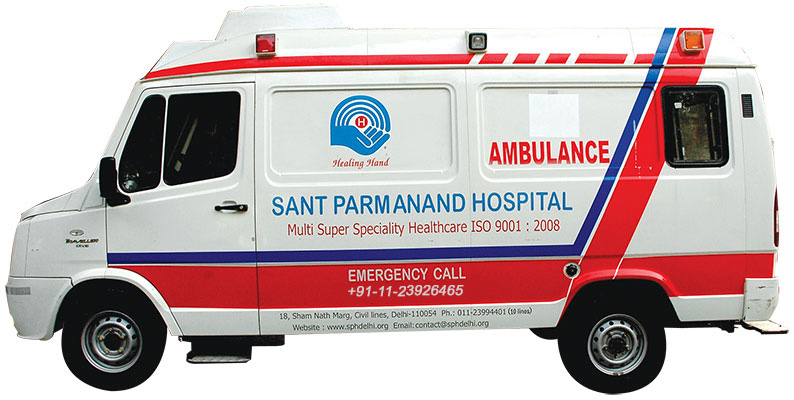
Then there are cases where things don’t build up slowly. An accident. A sudden collapse. A heart-related issue that comes without warning. In those moments, emergency critical care comes into play immediately.
The focus is simple at that point. Stabilise first. Make sure breathing is supported, circulation is steady, and the basics are under control.
This is where trauma and emergency care teams work together almost instantly, each handling a different part without waiting.
Why Timing Matters So Much ?
In situations like these, even a short delay can make things harder. That’s why people often look for places where everything is already in place. Not just equipment, but people who know exactly what to do without having to figure it out on the spot.
That’s usually what’s meant by the best critical care center in Delhi. It’s less about the label and more about how quickly things start moving when needed.
The Role of Support Systems
Sometimes the body just needs a bit of help getting through a phase. For example, ventilator support treatment is used when breathing becomes too difficult. It doesn’t mean the body has stopped working, it just needs support for some time.
In the same way, advanced life support is used in situations where vital functions need immediate help and close watching. These things sound heavy, but in practice, they’re just ways of giving the body time to recover.
It’s Not Always for Long
A lot of people assume that once someone is in critical care, they’ll be there for a long time. That’s not always how it goes.
For some, it’s just a short phase. A few days where things need to be stabilised before moving ahead. As the condition improves, the level of care changes too. That’s an important part of hospital critical care. It isn’t fixed, it adjusts as things get better.
The Team Aspect
This kind of care doesn’t depend on one person. There’s usually a full team involved. Doctors, nurses, specialists, all looking at different parts of the same situation. It’s a shared responsibility.
When that coordination works well, things feel more steady, even from the outside.
What Families Go Through ?
For families, this phase can feel like a lot at once. There’s equipment, constant updates, and unfamiliar terms being used.
But what really helps is when someone takes a moment to explain things properly. Not in complicated language, just in a way that makes sense. That alone can change how the whole situation feels.
Recovery Starts Earlier Than People Think
Most people think recovery begins after this phase ends. But it doesn’t work that way. Even during critical care, small steps are already being taken. Adjusting support, slowly reducing it, helping the body take over again.
It’s not always obvious, but it’s happening in the background. And that’s also part of hospital critical care.
A Word About Care
At Sant Parmanand Hospital Civil Lines, we see this side of care quite closely. Some patients come in suddenly, others reach this stage over time.
What seems to help most is keeping things clear. Saying what’s being done and why, without making it sound heavier than it needs to be. That clarity often makes the situation feel a little less overwhelming.
A Final Thought
Critical care sounds like a big step when you first hear it. But at its core, it’s support. It’s basically for those times when the body needs a bit of extra support for a while.
Hospital critical care is not just about emergencies. It’s about getting through a difficult phase safely, and then moving forward from there. And in most cases, that steady support is what really matters.
FAQs
What is critical care in the hospital?
It’s basically when someone needs a bit more attention than usual, so doctors can keep a closer watch on how things are going.
When is ICU needed?
When a condition feels a bit too unstable to manage normally and needs constant observation for a while.
What happens in critical care unit?
They’re basically keeping an eye on everything, and step in with machines if the body needs a bit of help, like with breathing.
How long do patients stay in ICU?
There’s no fixed timeline. Some are out in a day or two, others need a little more time.
What is ventilator support?
It’s used when breathing becomes difficult, and the machine steps in to help for some time.