


Most patients worry about pain before surgery.
But surgeons often think about something else first: infection.
It may not be visible, but preventing infection begins long before the first incision and continues well after the last stitch. For anyone searching for the best general surgeon in Delhi, understanding how infection risk is reduced can feel reassuring. It is not about one big precaution. It is about many small, consistent ones done properly.
 It Begins Before You Enter the Operation Theatre
Infection prevention does not start inside the operating room. It starts during evaluation.
Blood sugar levels are checked. Existing infections are treated. Skin is examined carefully. Even something as simple as shaving is handled thoughtfully because small skin cuts can increase the chance of a surgical infection.
A general surgeon doctor looks at the full picture. If diabetes is uncontrolled or immunity is low, surgery may be postponed briefly. It can feel inconvenient in the moment, but stabilising the body first usually lowers complications later.
Operation Theatre Discipline Matters
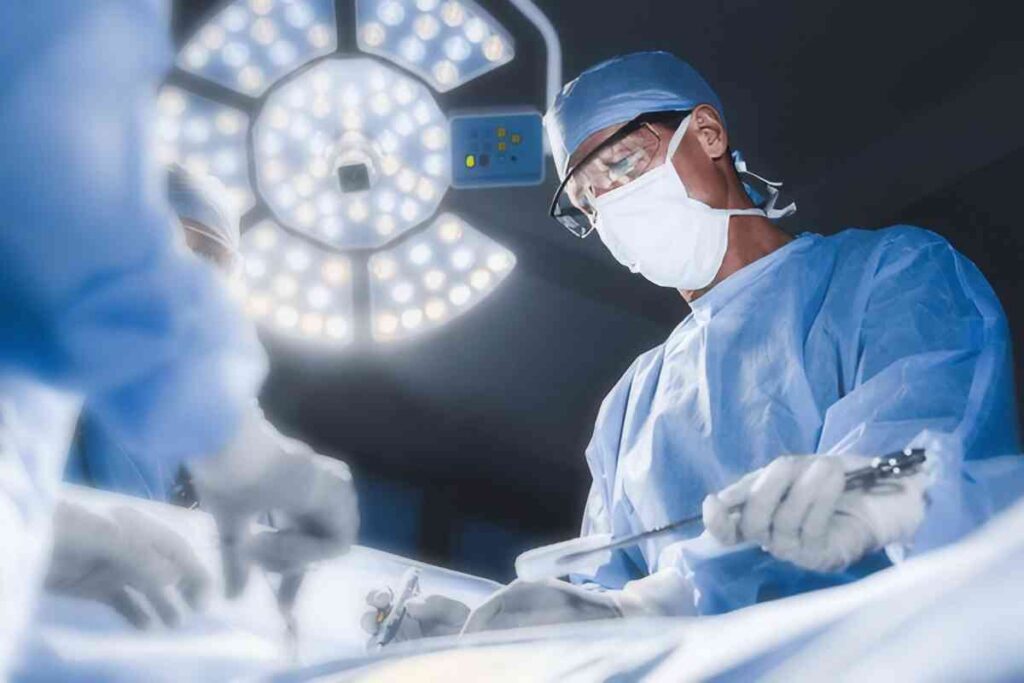
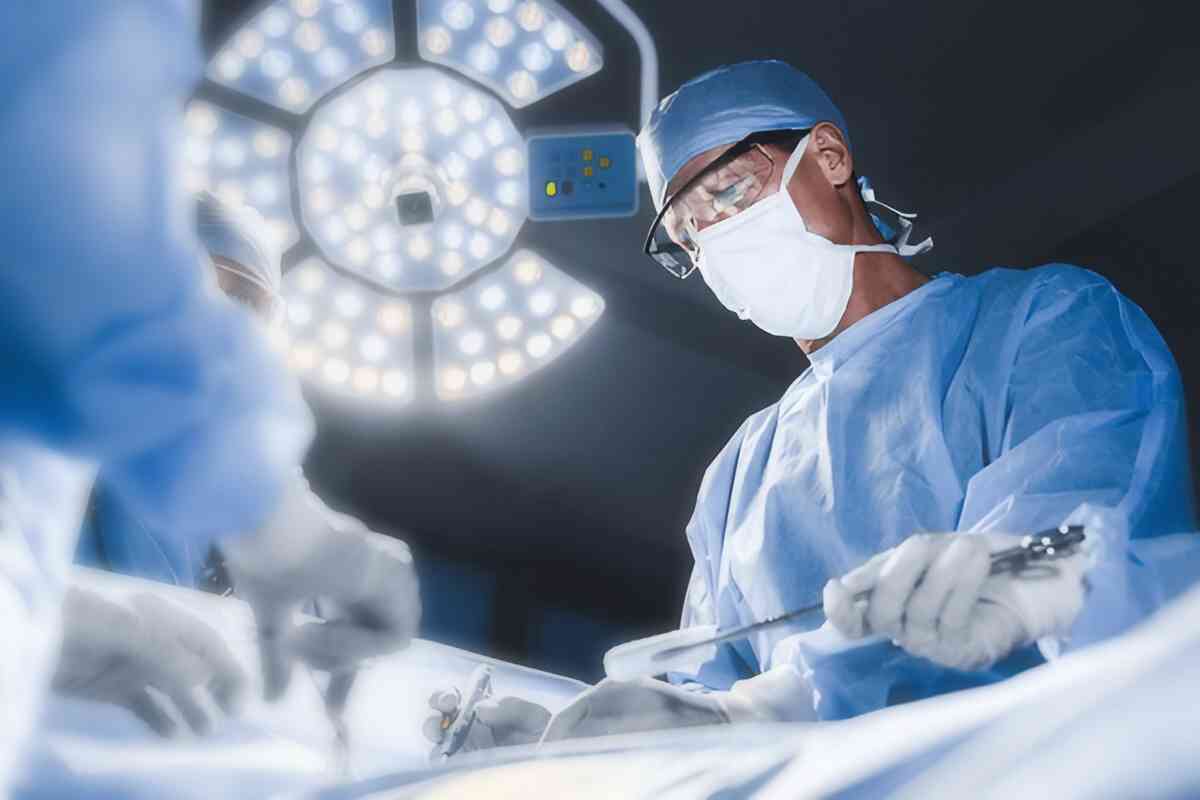
Modern operating theatres are designed to reduce contamination. Modular OTs, controlled airflow, sterilised instruments, and strict entry protocols are all part of routine practice in infection control hospitals.
But equipment alone does not prevent infection. Habits do.
Hand hygiene is repeated more times than patients realise. Surgical gowns, gloves, masks, and sterile drapes are handled carefully. Instrument trays are prepared and monitored with precision.
These practices are routine for the best general surgeon in Delhi, not because they are dramatic, but because they are consistent.
Minimally Invasive Techniques Reduce Exposure
One simple reason many surgeons lean toward laparoscopic or minimally invasive surgery is that the body isn’t left as exposed. Smaller openings mean less disturbance, and that often makes healing a bit easier on the system.
Smaller incisions mean less surface area exposed to external elements. There is less bleeding, less tissue handling, and often quicker closure. All of this contributes to lowering the risk of a surgical site infection.
In our department, many procedures such as gallbladder removal, hernia repair, colorectal surgeries, and urological interventions are performed using advanced laparoscopic methods when suitable. It is not just about faster recovery. It also supports safer healing.
Antibiotics Are Used Thoughtfully
Patients often assume antibiotics are given automatically. In reality, timing matters more than quantity.
A preventive antibiotic may be administered just before surgery begins. This ensures that protective levels are present in the bloodstream during the procedure. Giving it too early or too late reduces effectiveness.
Experienced surgeons understand this timing carefully. It is a small detail, but details matter.
Gentle Tissue Handling Makes a Difference
Infection risk is also influenced by how tissues are handled.
Excessive pulling, unnecessary trauma, or prolonged surgery can increase inflammation and delay healing. Working carefully and avoiding unnecessary handling of tissues helps the body settle faster and lowers the strain surgery can put on it.
Advanced equipment such as high-definition endovision systems and vessel sealing devices allow cleaner dissection and better control of bleeding. Less tissue damage often translates into smoother recovery.
When patients search for the best general surgeon in Delhi, what they are often seeking is not just skill, but control and judgement inside the operating room.
Monitoring Continues After Surgery
Infection prevention does not stop once stitches are placed.
Dressings are checked regularly. Wound edges are examined. Any redness, swelling, or discharge is addressed early.
Nursing teams play an essential role here. Post-operative monitoring in the ward or ICU ensures that any sign of infection is caught quickly.
Many patients assume that once they leave the theatre, the risk is over. In reality, vigilance continues through recovery.
Patient Participation Matters Too
Preventing infection is not the surgeon’s job alone.
Patients are guided on wound care, hygiene, and medication schedules. Instructions about keeping the area clean and dry are simple, but important.
Understanding what general surgeon do extends beyond the procedure itself. Surgery is only one part of treatment. Healing is the longer journey.
When patients follow discharge instructions carefully, outcomes tend to be smoother.
Special Situations Require Extra Care
Certain cases naturally carry higher infection risk.
Emergency surgeries, bowel procedures, diabetic patients, and long-standing illnesses need closer monitoring. In such cases, the approach adapts. Antibiotic coverage may be broader. Wound care may be more frequent.
Judgement is critical here. Not every patient requires the same plan.
This ability to individualise care is one reason people look for the best general surgeon in Delhi when facing complex surgery.
The Role of Team Coordination
Surgery is never a solo effort.
The anesthetist keeps a close eye on your breathing, pulse, and blood pressure throughout. Nurses focus on keeping everything clean and organised around the surgical area, while the technical team makes sure all the equipment is working exactly as it should.
In a well-coordinated environment, infection risk reduces because everyone understands their role clearly.
At Sant Parmanand Hospital, our surgical department functions as a team. Surgeons, anesthetists, and nursing staff work in rhythm, especially during longer or more complex procedures.
Experience Builds Predictability
After years in the operating room, surgeons start to recognise patterns. They get a feel for which cases need closer watching and which ones are likely to heal without much trouble.
Which wounds require closer observation. Which patients may need extended antibiotics. Which procedures tend to heal quickly.
Experience does not eliminate risk, but it helps anticipate it.
Patients often compare cities and hospitals before choosing care. Some even look up the best general surgeon in Delhi alongside options elsewhere. What usually brings them clarity is consistency. Systems that work quietly and reliably.
Infrastructure Supports Outcomes
A lot of infection prevention happens in ways patients never really notice. There are ICU teams on standby, anesthetists keeping a close watch, nurses checking dressings, and housekeeping staff who take cleaning far more seriously than most people imagine.
Strict routines are followed every single day, not because someone is watching, but because it simply works. Most of it stays in the background, yet those quiet habits often make the difference between a complicated recovery and a smooth one.
A Realistic Perspective
No surgery can promise zero infection risk. Medicine does not work in absolutes.
What it can promise is preparation, precision, and monitoring. These reduce risks to the lowest possible level.
When people know what’s being done and why, they usually feel more at ease. It stops feeling like something unpredictable and starts feeling like something carefully thought through.
A Closing Reflection
Preventing infection isn’t about one big action. It’s about doing many small things properly, every single time.
That means checking patients carefully before surgery, keeping the operating room strictly sterile, giving medicines at the right moment, and watching the wound closely afterward.
At Sant Parmanand Hospital Civil Lines, this is simply part of how we work. We pay attention to these details because they help people heal without setbacks.
When patients ask about infection, we tell them honestly what we do and what they can do too. Surgery may last an hour or two, but careful follow-up continues well after that. And when everyone stays involved, recovery usually stays on track.
FAQs
Why are antibiotics used before surgery in Delhi?
A small dose given at the right time helps the body stay protected while the surgery is underway, especially when tissues are exposed.
How does hand hygiene prevent surgical infections?
Clean hands sound basic, but they block germs at the very first point of contact, and that makes a real difference.
Why is patient screening important before surgery?
Checking for hidden infections or uncontrolled conditions helps avoid surprises once the procedure begins.
How do team protocols lower surgery risks?
When everyone follows the same careful steps, from prepping the OT to closing the wound, risks quietly come down.
What monitoring detects early infections?
After surgery, we keep a simple eye on things. If the dressing looks different than expected or someone feels warmer than usual, we look into it right away instead of waiting for it to settle on its own.